Plan Your Trip
Rishikesh Packing List
A complete, no-fluff guide to what to bring — sorted by category, season and the kind of trip you’re taking.
Quick answer
Pack light, modest and layered. Rishikesh is a holy town in the Himalayan foothills, so cover shoulders and knees, and bring warm layers — mornings and winters are genuinely cold even when afternoons feel hot. The non-negotiables: loose cotton clothes, a warm fleece, sturdy sandals plus one closed pair, a reusable water bottle, a small first-aid kit, your passport with the e-Visa printout, and some cash. Nearly everything else is sold cheaply in the local markets, so travel with room to spare.
The short version: three things your bag must handle
Forget generic travel checklists. Packing well for Rishikesh comes down to three specific demands that the town places on you, and if your bag covers all three you are set:
1. Respect. This is a pilgrimage town built around temples, ashrams and the Ganga. Modest, cover-up clothing is not just polite — it is what lets you move comfortably through the Ganga Aarti, the ashrams and the temples without feeling out of place. 2. Weather. Sitting where the cold Ganga leaves the mountains, Rishikesh swings from warm afternoons to chilly nights, and proper cold in winter. You pack for layers, not for a single climate. 3. Activity. Your trip might run from a silent meditation hall to a Grade III rapid in one day, so a little activity-specific kit goes a long way.
Build around those three and you avoid the classic mistakes — arriving with only beachwear, freezing at dawn meditation, or hauling a giant suitcase across the swaying pedestrian bridges into Tapovan. For the climate behind these choices, keep the weather guide and best time to visit open as you pack.
The complete Rishikesh packing list
| Category | Bring | Skip |
|---|---|---|
| Clothing | Loose cotton tops, long pants/skirts, layers, a warm fleece or light down | Tight or revealing clothes, formalwear |
| Footwear | Walking sandals + one closed pair (trainers/trek shoes) | Heels, a third “just in case” pair |
| Documents | Passport, e-Visa printout, insurance, photocopies, photos | Bulky folders of paper |
| Health | Personal meds, compact first-aid kit, hand sanitiser, electrolytes | A whole pharmacy — chemists are everywhere |
| Tech | Phone, charger, power bank, universal adapter | Hairdryer, iron, gadgets you won’t use |
| Daily kit | Reusable bottle, daypack, scarf/shawl, padlock, head torch | Valuables and expensive jewellery |
That is the entire trip in one table. Everything below explains the reasoning and how to adapt it to your season and travel style.
Clothing: modest, breathable, layered
Clothing is where visitors most often get it wrong — too revealing for a holy town, or too heavy for the midday heat. The sweet spot is loose, breathable, modest layers in cotton or linen. Light fabrics handle the sun; layers cope with the swing from a 9°C morning to a 28°C afternoon. Pack neutral pieces you can mix and re-wear, and leave anything tight, sheer or skimpy at home.
For women
- Loose tops or kurtas covering the shoulders and upper arms
- Flowy long pants, palazzos or ankle-length skirts (harem pants are sold on every corner here)
- A lightweight scarf or shawl — doubles as a temple head-cover, sun shade and evening wrap
- One modest outfit set aside for the Ganga Aarti and temple visits
- Sports bras and yoga wear, worn under a loose top when walking around town
For men
- T-shirts and loose shirts; cover up around temples even if vests are fine for class
- Light cotton trousers or longer shorts (very short shorts look out of place)
- A warm layer for evenings and a collared shirt if you like to dress up a little
- Swim shorts for a dip near the upstream camps
Yoga, activity and warm layers
If you are here to practise, bring two or three sets of stretchy, quick-dry clothes — you will sweat and wash often, and things dry fast on a balcony line. Most importantly, do not underestimate the cold: pack a warm fleece or light down jacket and a long-sleeve thermal even in summer for early-morning meditation and cool riverside nights. From November to February add a proper jacket, a beanie and warm socks, because most rooms and halls are unheated.
Local tip: you barely need to pack “India clothes.” The markets in Laxman Jhula and Tapovan sell cotton trousers, kurtas, scarves and yoga gear for a few hundred rupees. Many travellers arrive half-empty on purpose and kit out here.
Footwear
Keep it to two pairs: sturdy walking sandals and one closed pair. Rishikesh is a slip-on, slip-off town — you remove shoes constantly at temples, ashrams, cafes and homes — so easy sandals are what you will live in. Add trainers or light trekking shoes if you plan to trek, walk up to Neelkanth, or do any hill walking. Leave heels and a third pair at home; the lanes are stepped, dusty and sometimes muddy, and nobody dresses up.
Documents, money and insurance
Get the paperwork right before you fly and the rest is easy. Carry your passport, a printed copy of your visa, and travel insurance details, with digital copies in your email or cloud as backup. Most nationalities enter on an electronic visa — apply only through the official government portal at indianvisaonline.gov.in and print the approval, as many travellers like a paper copy even though it is logged electronically.
- Passport (valid 6+ months) and the e-Visa printout
- Travel insurance — ideally one covering adventure activities like rafting
- 2–3 passport photos and photocopies of your passport (ashrams and SIM registration sometimes ask)
- A debit/credit card plus a backup card
- Some cash — see the budget guide for how much and where to withdraw
ATMs are easy to find in the main areas but can run dry or go offline, so arrive with a few thousand rupees and never rely on a single card. Many small cafes, ashrams and shops are cash-only.
Health and a compact first-aid kit
You do not need to pack a pharmacy — chemists in Rishikesh are well stocked and cheap — but a small personal kit saves a late-night hunt. Bring prescription medication in its original packaging with enough for the whole trip, plus the basics below. For current, tailored advice on travel vaccinations and a health kit for India, the UK’s health service keeps a clear, free resource at nhs.uk — check it well before you travel and confirm anything specific with your own doctor.
- Prescription meds + a copy of the prescription
- Rehydration salts/electrolytes and anti-diarrhoea tablets (stomach upsets are common)
- Paracetamol/ibuprofen, plasters, antiseptic cream, blister care
- Motion-sickness tablets for the winding mountain roads
- High-SPF sunscreen, lip balm and a good insect repellent
- Hand sanitiser and a small pack of tissues
Tap water is not safe to drink. Pack a reusable bottle with a filter or purifier, or buy large water cans — it cuts both plastic waste and cost. See the safety guide for more on food, water and staying well.
Toiletries, tech and daily extras
Standard toiletries are sold everywhere, so travel-size is plenty — you can restock on arrival. The items genuinely worth bringing from home are the ones that are annoying to find or that smooth out daily life:
- Universal travel adapter (India uses 230V, type C/D/M plugs) and a power bank for long days out
- Phone charger and, if you are working, your laptop — see the internet & SIM card guide
- A quick-dry travel towel (many budget rooms and ashrams don’t provide one)
- A small padlock for your backpack and hostel lockers
- A reusable cloth bag for the market and a head torch for power cuts and early treks
- Earplugs and an eye mask — temple bells, dogs and traffic start early
- A small daypack for temple trips, treks and day excursions
What to pack by season
Rishikesh has four distinct moods through the year, so tune the core list using the table below. Before you finalise, it is worth a glance at the official forecast from the India Meteorological Department at mausam.imd.gov.in, and our own detailed weather guide for month-by-month temperatures.
| Season | Conditions | Pack extra |
|---|---|---|
| Spring (Mar–Apr) | Warm days, cool nights — the sweet spot | Light layers, a fleece for evenings, sunscreen |
| Summer (May–Jun) | Hot midday (up to ~38°C), warm nights | Lightest cottons, sun hat, strong SPF, a thin layer for mornings |
| Monsoon (Jul–Sep) | Humid, heavy rain, lush and green | Rain jacket, quick-dry everything, grippy sandals, a dry-bag for electronics |
| Autumn (Oct–Nov) | Crisp, clear, ideal | Layers plus a warm jacket for cool nights |
| Winter (Dec–Feb) | Cold mornings/nights (near 5°C), sunny days | Proper warm jacket, thermals, beanie, warm socks, scarf |
What to pack by type of traveller
| You’re here for… | Add to your bag |
|---|---|
| Yoga / a teacher training | 2–3 yoga outfits, own mat (optional — schools provide), notebook, water bottle, modest cover-ups |
| Adventure / rafting & camping | Quick-dry clothes, secure sandals or water shoes, dry-bag, sun protection, a dry change of clothes |
| Pilgrimage / temples | Modest outfits, a scarf/shawl, comfortable slip-on shoes, small offering money |
| Remote work | Laptop, power bank, multi-port charger, noise-cancelling headphones, backup hotspot plan |
| Family / first-timers | Kids’ meds, snacks, wet wipes, a carrier for little ones on stepped lanes |
What to leave at home
- Revealing or tight clothing — you will feel conspicuous in a holy town
- Expensive jewellery and valuables — unnecessary and a theft risk; Rishikesh is low-key
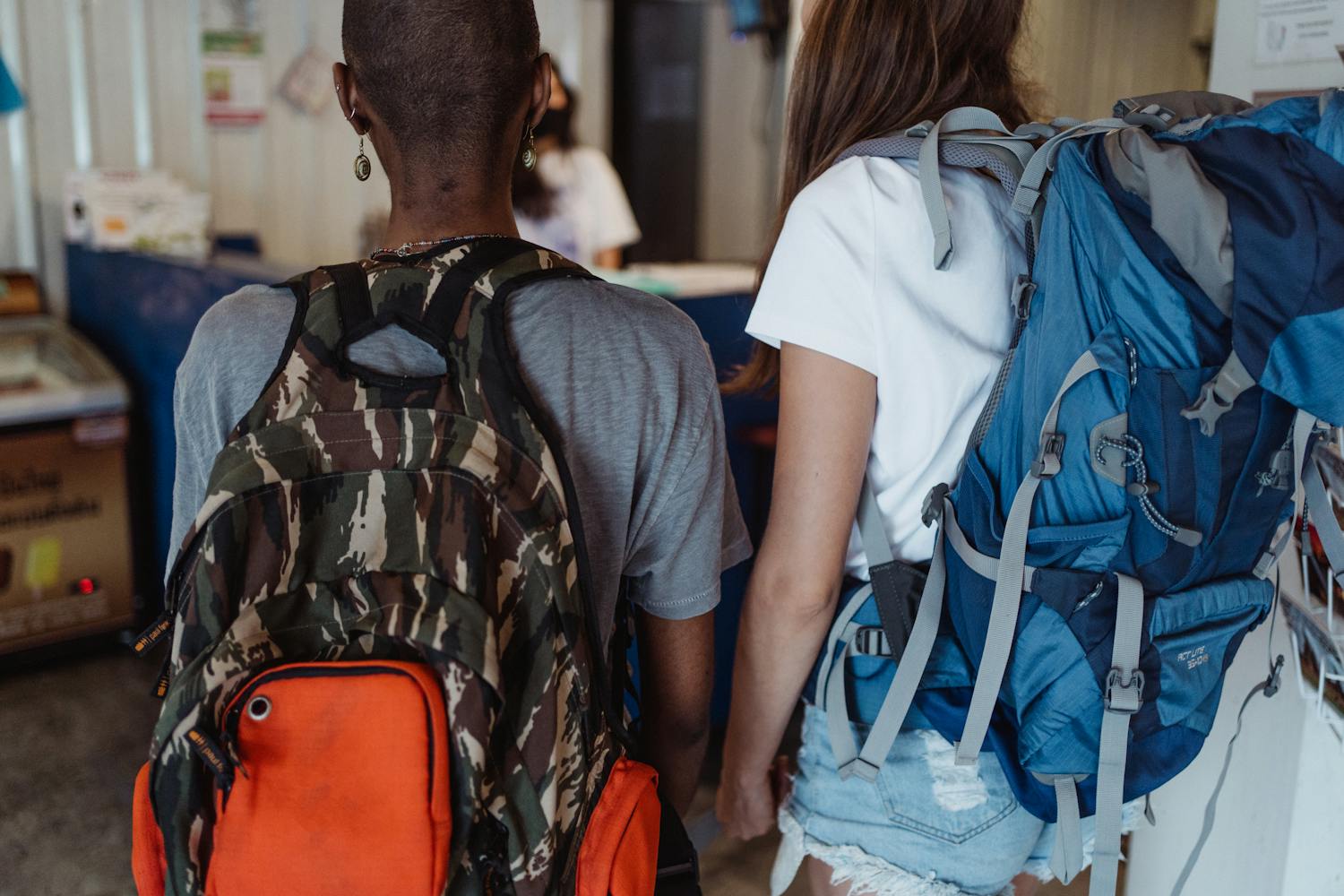
- A giant hard suitcase — a backpack or soft duffel survives the bridges and lanes far better
- Drones without permits, and anything you would hate to lose
- Leather belts/bags for inside temples — some ban leather at the threshold
- A full toiletry haul — shampoo, soap, razors and the rest are cheap and everywhere
What you can buy in Rishikesh
Remember the golden rule: this is a market town for travellers. If you forget something, you can almost certainly buy it within a five-minute walk — often for less than at home. Cotton clothing, scarves, yoga gear, toiletries, basic medicines, adapters, padlocks, water and snacks are all easy to find around Tapovan, Laxman Jhula and Ram Jhula. Pack the essentials, then let the markets fill any gaps once you arrive.
Common packing mistakes
- Underpacking warm layers. Visitors picture “India = hot” and freeze at 6am meditation. Bring the fleece.
- Overpacking clothes. You will buy local cottons and end up living in the same three comfy outfits.
- Wheeled hard suitcases. A nightmare on Ram Jhula/Laxman Jhula bridges and stepped lanes.
- No reusable bottle. You’ll buy endless plastic or get caught short — hydration matters at altitude.
- Forgetting a modest outfit. Arriving with only beach/gym wear means scrambling before your first temple visit.
- Relying on one card. Bring a backup and some cash; ATMs go down.
Local tip: leave around 20% of your bag empty. Between market cottons, a singing bowl, prayer beads, books and gifts, almost everyone leaves Rishikesh heavier than they arrived.
Related guides
- Best time to visit Rishikesh — pick your season, then pack to match
- Rishikesh weather — the temperatures behind this list
- How to reach Rishikesh — getting there with your bag intact
- Budget guide — how much cash to carry
- Safety guide — health, water and staying well
- Internet & SIM cards — staying connected
- Plan your trip hub — everything in one place
Pack light, pack respectful
If you remember only one thing, make it this: pack for a holy town in the mountains, not a beach holiday. Modest, layered, easy-to-wash clothing covers nearly every situation in Rishikesh — from a sunrise hike to an evening aarti by the river. Carry your documents and a little cash, protect yourself from the sun and the cold in equal measure, and bring a refillable bottle so you are not buying plastic all day.
Everything else is detail. The town is full of small shops and helpful people, so a forgotten razor or a missing scarf is never a crisis — just an excuse to wander the market. Travel light enough to enjoy the bridges and lanes, leave room for what you will inevitably bring home, and check our trip-planning hub for the rest of the practical details. Do that, and you have packed Rishikesh exactly right.
Frequently asked questions
What should I wear in Rishikesh?
Wear loose, modest, breathable clothing that covers your shoulders and knees. Light cotton tops, long pants or skirts, and a scarf or shawl are ideal in this holy town. Add warm layers for cool mornings and evenings, and pack quick-dry yoga or activity wear if you plan to practise or do adventure sports.
Do I need warm clothes for Rishikesh?
Yes, even in summer. Mornings and nights in the foothills are cool and most rooms and meditation halls are unheated, so bring at least a fleece and a long-sleeve layer year-round. From November to February you will want a proper warm jacket, thermals, a beanie and warm socks.
Is there a dress code for temples and ashrams?
There is no strictly enforced code, but modest dress is expected. Cover your shoulders and knees, remove your shoes before entering, and carry a scarf to cover your head if needed. Some temples ask you to leave leather belts and bags outside, and tight or revealing clothing will feel out of place.
What kind of bag should I bring?
A backpack or soft duffel is far better than a wheeled hard suitcase. You will cross swaying pedestrian bridges and climb stepped, sometimes muddy lanes where wheels are a nightmare. Bring a small daypack too for temple visits, treks and day trips.
Can I buy clothes and toiletries in Rishikesh?
Easily and cheaply. Markets in Laxman Jhula and Tapovan sell cotton trousers, kurtas, scarves and yoga wear for a few hundred rupees, and chemists stock toiletries and basic medicines everywhere. Many travellers arrive with a half-empty bag on purpose.
What documents do I need to carry?
Your passport valid for at least six months, a printed copy of your e-Visa, travel insurance details, plus photocopies and passport photos for SIM registration and some ashrams. Keep digital copies in your email or cloud as backup, and apply for the e-Visa only through the official government portal.
How much cash should I bring?
Arrive with a few thousand rupees because ATMs can be offline or empty, and many cafes, ashrams and small shops are cash-only. Carry a debit or credit card plus a backup card. See our budget guide for daily spending estimates by travel style.
Is the tap water safe to drink in Rishikesh?
No, do not drink tap water. Bring a reusable bottle with a filter or purifier, or buy large water cans, which is cheaper and cuts plastic waste. Be cautious with ice and street drinks if you have a sensitive stomach.
What should I pack for yoga or a teacher training?
Bring two or three sets of stretchy, quick-dry yoga clothes, a notebook, a water bottle and modest cover-ups for walking around town. Most schools provide mats so your own is optional, and a warm layer for early-morning practice is essential.
What do I need for rafting and adventure activities?
Pack quick-dry clothes, secure sandals or water shoes, a dry-bag for valuables, strong sunscreen and a dry change of clothes for afterwards. Operators provide helmets, life jackets and wetsuits where needed, so you do not need technical gear of your own.
Do I need a first-aid kit?
A small personal kit is worth bringing: prescription meds, rehydration salts, anti-diarrhoea tablets, painkillers, plasters, antiseptic, motion-sickness tablets, sunscreen and hand sanitiser. Chemists are plentiful and cheap, so carry the essentials for travel days and late nights rather than a full pharmacy.
What should I not bring to Rishikesh?
Skip tight or revealing clothing, expensive jewellery, a large hard suitcase, a full toiletry haul, and anything you would hate to lose. Drones need permits. Keep it light and modest, and remember that if you forget something you can almost always buy it locally within a short walk.
Ready to pack and go?
With your bag sorted, lock in your dates and plan the trip. Start with the best time to visit, then see how to reach Rishikesh and browse the full trip-planning hub.