Spiritual
Famous Temples in Rishikesh
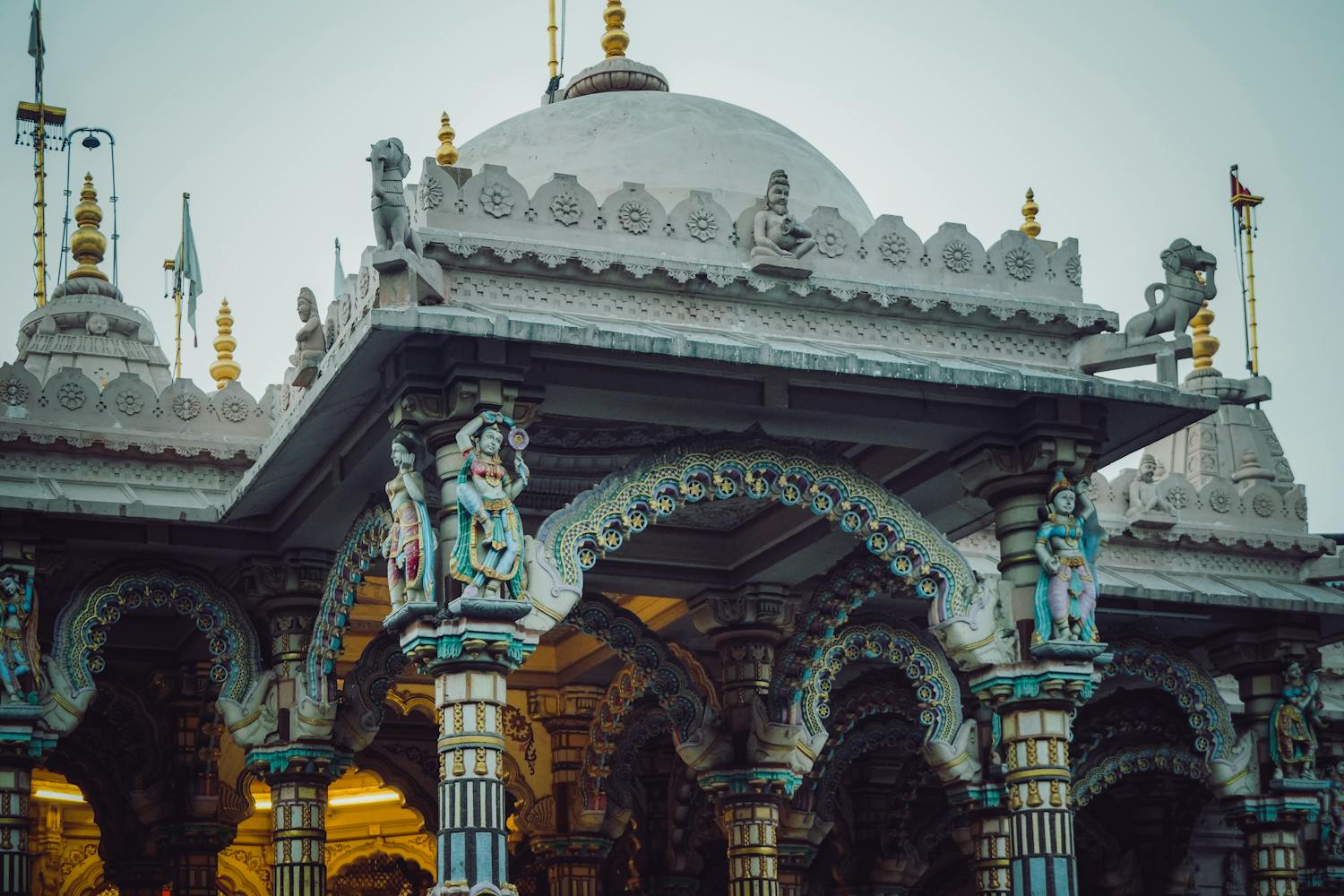
From the oldest shrine in town to a Himalayan sunrise temple — the sacred sites of Rishikesh.
Rishikesh is dense with temples — from tiny riverside shrines where bells ring at dawn to towering multi-storey complexes and a famous hilltop pilgrimage an hour away. For a town this size, the concentration of sacred sites is extraordinary, and visiting them is one of the best ways to feel its spiritual pulse. This guide rounds up the most important temples in and around Rishikesh, what each is, their significance and timings, and how to visit respectfully — whether you are a pilgrim, a curious traveller, or simply chasing the best views and atmosphere.
Quick answer: Rishikesh’s key temples include Neelkanth Mahadev (the famous hilltop Shiva temple, ~32km away), Bharat Mandir (the oldest temple in town), Trayambakeshwar / Tera Manzil (the 13-storey landmark by Laxman Jhula), Lakshman & Raghunath temples, and the Kunjapuri Devi sunrise temple. Most are free and open roughly 6am–8pm (confirm locally). Dress modestly, remove shoes, and be respectful. Temples in town are walkable; Neelkanth and Kunjapuri need a drive or trek.
A word before you set out: you do not need to be religious to find Rishikesh’s temples worthwhile. Some visitors come as devout pilgrims; others as curious travellers drawn by the architecture, the history, the mountain views, or simply the atmosphere. All are welcome, and each temple offers something different — deep significance at Neelkanth and Bharat Mandir, sweeping views at Tera Manzil and Kunjapuri, and the quiet charm of the small riverside shrines. Approach them with respect and an open mind, and they will repay you whatever your reason for visiting.
Why Rishikesh has so many temples
The sheer density of temples here is no accident. Rishikesh sits at the gateway to the Himalaya, where the Ganga — Hinduism’s holiest river — emerges from the mountains, a confluence of sacred geography that has drawn sages, pilgrims and temple-builders for millennia. The town is also the traditional starting point of the Char Dham pilgrimage to the four great Himalayan shrines, so it has long been a place where the spiritual journey begins. Layer on centuries of association with the Ramayana, with Shiva, and with the great teachers who meditated in these hills, and you have a landscape thick with the sacred.
For the visitor, this means temples are woven into everyday life rather than set apart as monuments. Bells ring across the rooftops at dawn and dusk; tiny shrines tuck into riverside walls; and grand complexes rise beside the bridges. You do not have to seek temples out — they are simply part of the fabric of the town, and stepping into them is stepping into the living tradition that makes Rishikesh what it is.
The major temples in & around Rishikesh
Neelkanth Mahadev Temple
The region’s most revered temple and a major Shiva pilgrimage site, set high in the hills about 32km from Rishikesh. According to legend it marks the spot where Lord Shiva drank the poison churned from the cosmic ocean, turning his throat blue (neel kanth) — one of the best-loved legends of Shiva. The drive (or trek) up through forest is part of the experience, and the temple draws huge crowds during Shivratri and the monsoon Kanwar season. It deserves its own visit — see our dedicated Neelkanth Mahadev guide.
Bharat Mandir — the oldest temple
Tucked in the old town near Triveni Ghat, Bharat Mandir is considered the oldest temple in Rishikesh, dedicated to Lord Vishnu and historically linked to the sage Adi Shankaracharya. Modest in size but rich in significance, it is a quiet, authentic stop away from the tourist trail — especially meaningful around the Basant Panchami festival.
Trayambakeshwar (Tera Manzil) Temple
The striking 13-storey temple beside Laxman Jhula — one of Rishikesh’s most photographed landmarks. Each floor houses shrines to numerous deities, and the upper levels reward you with sweeping views over the Ganga and the bridge. Easy to combine with a riverside walk; busy but atmospheric.
Lakshman & Raghunath Temples
Near Laxman Jhula stands the Lakshman Temple, dedicated to Lord Rama’s brother Lakshman — said to mark where he crossed the Ganga, giving the bridge its name. The nearby Raghunath Temple honours Rama and Sita. Small, central and steeped in the Ramayana associations that give this area its identity.
Kunjapuri Devi Temple — the sunrise temple
A Shakti Peetha (sacred goddess site) on a hilltop about an hour away, famous for its panoramic Himalayan sunrise — on a clear day you can see peaks like Swargarohini, Gangotri and Banderpunch glowing at dawn. A short steep climb of steps leads to the shrine. A classic early-morning excursion, often combined with a trek; see our trekking guide.
💡 Tip: The town temples (Bharat Mandir, Tera Manzil, Lakshman) can be seen on foot in an afternoon; Neelkanth and Kunjapuri each need a half-day with transport. Plan them as separate outings rather than trying to cram everything into one day.
Temples at a glance
| Temple | Deity | Location | Highlight |
|---|---|---|---|
| Neelkanth Mahadev | Shiva | ~32km, hills | Major pilgrimage; forest drive/trek |
| Bharat Mandir | Vishnu | Old town | Oldest temple in Rishikesh |
| Tera Manzil | Many | Laxman Jhula | 13 storeys & river views |
| Lakshman Temple | Lakshman | Laxman Jhula | Ramayana legend of the bridge |
| Kunjapuri Devi | Goddess (Shakti) | ~1hr, hilltop | Himalayan sunrise views |
Understanding the deities you will meet
A little background makes temple visits far richer. The main figures you will encounter in and around Rishikesh:
- Shiva — the great ascetic and lord of yoga and destruction/transformation, central to Rishikesh’s identity; honoured above all at Neelkanth Mahadev.
- Vishnu — the preserver of the universe, worshipped at Bharat Mandir, the oldest temple in town.
- Rama, Lakshman & Sita — figures of the Ramayana epic, deeply tied to this area; the Lakshman and Raghunath temples honour them, and the famous bridges bear their names.
- The Goddess (Shakti / Devi) — the divine feminine and cosmic energy, worshipped at the hilltop Kunjapuri Devi, a sacred Shakti Peetha.
- Hanuman, Ganesha & others — you will meet shrines to many beloved deities, especially in multi-shrine temples like Tera Manzil.
You do not need to know the whole pantheon to appreciate a temple, but recognising who a temple honours — and the story behind it — transforms a pretty building into a meaningful place. Each shrine is a chapter in a vast, living mythology.
Timings & what to expect
Most temples open early morning to evening (roughly 6am–8pm), often closing for a few hours in the afternoon; exact hours vary and shift with season and festivals, so confirm locally. Temples are busiest at aarti times (morning and evening prayers) — atmospheric but crowded. Inside, expect bells, incense, offerings, priests performing rituals, and devotees praying; you may be offered a tilak (forehead mark) or prasad (blessed food). Photography rules vary — often fine in courtyards, sometimes forbidden in the inner sanctum; always check and never photograph the deity if signs prohibit it.
Temple etiquette
- Remove your shoes before entering (leave them at the stand, sometimes for a small fee).
- Dress modestly — cover shoulders and knees; some temples are stricter.
- Cover your head at certain shrines if requested (carry a scarf).
- Be quiet and respectful — these are active places of worship, not museums.
- Walk clockwise around the shrine (the traditional direction of circumambulation).
- Ask before photographing people or the inner sanctum; follow signs.
- Accept prasad with your right hand; a small donation is appreciated but rarely required.
- Do not point your feet at the deity or touch idols unless invited.
💡 Tip: Carry a scarf or shawl — it covers shoulders, doubles as a head covering where needed, and is handy on the cool early-morning temple trips like Kunjapuri.
How to visit: planning your temple trips
- Town temples (half-day on foot): Tera Manzil, Lakshman/Raghunath and a riverside walk around Laxman Jhula; add Bharat Mandir near Triveni Ghat.
- Neelkanth Mahadev (half/full day): by taxi/shared jeep (~1–1.5hr each way) or as a forest trek; see the Neelkanth guide.
- Kunjapuri sunrise (early half-day): pre-dawn drive (~1hr) then a short climb; book a sunrise tour for ease.
- Combine with the Ganga Aarti in the evening for a full day of spiritual Rishikesh.
Who is temple-visiting for?
| Traveller type | Recommendation |
|---|---|
| Pilgrims | Neelkanth Mahadev & Bharat Mandir for genuine devotional significance. |
| Spiritual seekers | All of them; pair with an ashram stay and the aarti. |
| Sightseers / photographers | Tera Manzil for views; Kunjapuri for sunrise. |
| First-timers | Walk the town temples around Laxman Jhula to start. |
| Families | Town temples are easy; see our family guide. |
| Early risers | Kunjapuri sunrise — the most rewarding dawn in the area. |
The temple experience for non-Hindus
If you have never set foot in a Hindu temple, the first visit can feel bewildering — and that is completely normal. There is no quiet, pew-lined hush as in many Western places of worship; instead you find a lively, sensory swirl of bells, incense, chanting, marigolds, bustling priests and devotees moving through their rituals. It can seem chaotic, but there is a deep order to it, and visitors are genuinely welcome to observe and gently take part.
A few things help you feel at ease. You are not expected to know the rituals — simply follow the modest dress and shoe-removal etiquette, move respectfully, and watch what others do. If a priest offers you a tilak or prasad, you can accept it graciously; it is a blessing, not a commitment to any belief. No one will pressure you to pray or pretend. The most rewarding approach is to come with curiosity and humility, observe quietly, and let the atmosphere speak for itself. Many non-religious travellers find temple visits unexpectedly moving — a window into a worldview thousands of years old, still vividly alive.
💡 Tip: When unsure what to do, hang back and watch for a moment. Mirroring what local devotees do — where to walk, when to fold your hands, how to receive prasad — is the simplest way to be respectful, and people appreciate the effort.
Common mistakes
- Wearing shorts or revealing clothes — dress modestly for temples.
- Forgetting to remove shoes — always required at the entrance.
- Photographing the inner sanctum where prohibited — check first.
- Trying to do Neelkanth and Kunjapuri in one day — they are in different directions; plan separately.
- Visiting only midday — you miss the atmospheric morning/evening aarti and (for Kunjapuri) the sunrise.
- Being loud or treating it as a tourist site — these are living places of worship.
Temple festivals worth timing your visit for
Temples come most alive during festivals, when ordinary visits become extraordinary — brighter, busier and charged with collective devotion. If your trip can flex, a few are worth aiming for (or, if you prefer calm, worth avoiding for the crowds):
- Maha Shivratri — the great night of Shiva; Neelkanth Mahadev and Shiva temples overflow with pilgrims and all-night worship. Spectacular but intensely crowded.
- Kanwar Yatra (monsoon, Jul–Aug) — saffron-clad pilgrims carry Ganga water to Neelkanth; the roads and temple throng with millions across the region. An astonishing sight, but expect heavy crowds and traffic.
- Navratri — nine nights honouring the Goddess; Kunjapuri Devi and other Devi temples are especially vibrant.
- Basant Panchami — a significant day at the historic Bharat Mandir.
- Janmashtami, Diwali & other major festivals — temples across town glow with lamps, flowers and extra ceremony.
Festival dates follow the Hindu lunar calendar and shift each year, so check ahead. Visiting during a festival is unforgettable if you embrace the crowds and energy; if you prefer a quiet, contemplative temple experience, plan around them. Either way, pairing a temple day with the evening Ganga Aarti gives you the fullest taste of devotional Rishikesh.
Local tips you should know
- Start temple days early — cooler, quieter, and you catch the morning rituals.
- Carry small cash for shoe stands, offerings and donations.
- Combine town temples with a walk across Laxman Jhula and a riverside cafe.
- For Neelkanth, avoid the crowded Kanwar/Shivratri periods unless you want the full pilgrim experience.
- Pair an evening with the Ganga Aarti for the complete spiritual day.
- Apply for your tourist e-Visa early; see how to reach Rishikesh.
Related guides & nearby
- Neelkanth Mahadev — the major pilgrimage temple in detail.
- Ganga Aarti — the evening riverside ceremony.
- Ashrams in Rishikesh — stay in the spiritual core.
- Trekking — reach Kunjapuri and Neelkanth on foot.
- Rishikesh for spiritual seekers — the full hub.
Frequently asked questions
What are the famous temples in Rishikesh?
The key temples include Neelkanth Mahadev (the famous hilltop Shiva temple ~32km away), Bharat Mandir (the oldest temple in town), Trayambakeshwar/Tera Manzil (the 13-storey landmark by Laxman Jhula), the Lakshman and Raghunath temples, and Kunjapuri Devi (the sunrise temple ~1hr away).
Which is the most important temple in Rishikesh?
Neelkanth Mahadev is the region’s most revered temple and a major Shiva pilgrimage site, marking where Shiva is said to have drunk the cosmic poison. In town, Bharat Mandir is the oldest and most historically significant.
What are temple timings in Rishikesh?
Most temples open roughly 6am to 8pm, often closing for a few hours in the afternoon. Exact hours vary by temple and season and change during festivals, so confirm locally. Mornings and evenings (aarti times) are the most atmospheric.
Is there an entry fee for the temples?
Most temples are free to enter. You may pay a small fee for shoe storage, and donations are appreciated but rarely required. Some sites may charge for parking or special darshan.
What should I wear to visit a temple?
Dress modestly — cover your shoulders and knees. Carry a scarf or shawl, which is useful for covering your head where requested and for cool early-morning trips like Kunjapuri. You will also need to remove your shoes.
Can non-Hindus and foreigners visit the temples?
Yes — the temples welcome visitors of all backgrounds. Simply dress modestly, remove your shoes, behave respectfully, and follow any rules about photography and the inner sanctum.
How do I get to Neelkanth Mahadev temple?
It is about 32km from Rishikesh, reached by taxi or shared jeep (around 1 to 1.5 hours each way) through forested hills, or as a trek. See our dedicated Neelkanth Mahadev guide for full details.
What is special about Kunjapuri temple?
Kunjapuri Devi is a hilltop Shakti Peetha about an hour away, famous for its panoramic Himalayan sunrise. On a clear morning you can see peaks like Swargarohini and Banderpunch, making it a popular pre-dawn excursion.
Can I take photos inside the temples?
Photography rules vary — it is often allowed in courtyards but forbidden in the inner sanctum. Always check signs and ask, and never photograph the deity or worshippers where prohibited.
Which temple has the best views?
The 13-storey Tera Manzil (Trayambakeshwar) temple by Laxman Jhula offers sweeping views over the Ganga from its upper floors, and Kunjapuri Devi gives the best Himalayan sunrise panorama in the area.
How many temples can I visit in a day?
You can comfortably see the town temples (Tera Manzil, Lakshman, Raghunath, and Bharat Mandir) on foot in a half-day. Neelkanth and Kunjapuri each need a separate half-day with transport, as they are in different directions.
What is the etiquette inside a Hindu temple?
Remove your shoes, dress modestly, be quiet and respectful, walk clockwise around the shrine, accept prasad with your right hand, avoid pointing your feet at the deity, and follow photography rules. A small donation is welcome but optional.
Explore sacred Rishikesh
From the oldest shrine in town to a Himalayan sunrise temple, Rishikesh’s temples reward the curious and the devout alike. Dress respectfully, start early, and let the bells and incense draw you in. These guides will help:
- Neelkanth Mahadev — the great pilgrimage temple
- Ganga Aarti — the evening ceremony
- Ashram stays — live the spiritual life
- Rishikesh for spiritual seekers — plan the whole trip