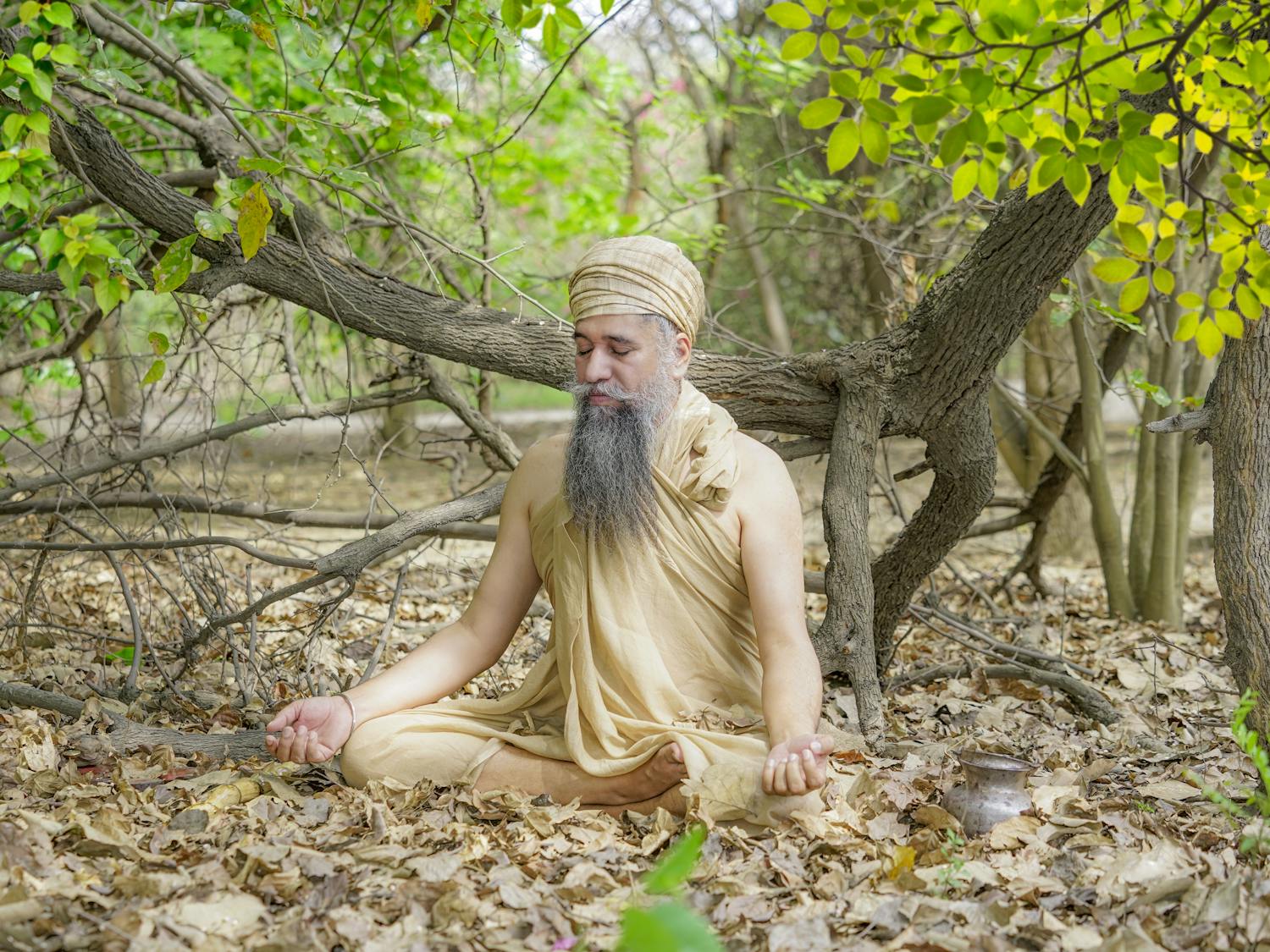
By Traveller Type
Rishikesh for Spiritual Seekers
Ashrams, meditation, sacred rivers and living teachers — a guide to the deeper journey in the spiritual heart of India.
By Traveller Type
Rishikesh is one of the world’s great spiritual destinations — a sacred town on the Ganga drawing seekers for millennia. Come to stay in an ashram, deepen meditation (including silent and Vipassana retreats), study yoga philosophy, attend satsangs with living teachers, and experience the aarti and sacred geography. Stay a week to a month or more. Choose teachers and ashrams with discernment. This guide helps you plan a meaningful spiritual journey — what to seek, where, and how.
A seeker’s destination
For those drawn to the inner journey, few places on earth carry the spiritual charge of Rishikesh. Sitting where the sacred Ganga leaves the Himalayas, it has been a magnet for sages, ascetics and seekers for thousands of years — a place of pilgrimage, meditation and study woven into the very landscape of Indian spirituality, with deep roots in Hinduism and the yogic traditions. To arrive here as a spiritual seeker is to come to one of the wellsprings.
What makes Rishikesh extraordinary is that this isn’t a museum of spirituality but a living, breathing tradition. Ashrams still teach, teachers still gather students, the aarti still draws thousands to the river each night, and sadhus still walk the lanes. Seekers come for many reasons — to learn meditation, study yoga philosophy, sit with a teacher, do an intensive retreat, or simply immerse in a place where the spiritual life is the main event. This persona guide — part of our guides by traveller type — helps you plan a meaningful journey, with links to detailed guides throughout the spiritual hub.
The spiritual journey at a glance
| Seek… | Where / how |
|---|---|
| Ashram immersion | Stay & study at an ashram |
| Meditation depth | Meditation & silent / Vipassana retreats |
| Yoga philosophy | Teacher training & philosophy courses |
| A teacher / satsang | Satsangs & talks with living teachers |
| Sacred experience | The aarti, ghats, temples & the Ganga |
| A retreat | Spiritual retreats of every kind |
The sections below explore each path, plus how long to come, choosing wisely, and the practicalities of a seeker’s trip.
Ashram life & stays
For many seekers, an ashram stay is the heart of a Rishikesh journey. An ashram is a spiritual community built around a teacher and a daily discipline of practice, study and service — staying in one means living that rhythm: early starts, yoga and meditation, sattvic meals, scripture study, karma yoga (selfless service), and often satsangs in the evening. You trade comfort and freedom for depth, simplicity and a genuine container for inner work. The great ashrams cluster around Ram Jhula and Swarg Ashram. Our ashram stays guide explains how to choose and book one.
Meditation & silent retreats
Rishikesh is one of the world’s great places to deepen meditation. You’ll find everything from drop-in sessions and guided practices to intensive silent and Vipassana retreats — including the classic 10-day Vipassana course taught in the tradition supported worldwide at dhamma.org. Days of silence and sustained practice are challenging but, for many seekers, profoundly transformative — a true inner journey. See meditation centres and spiritual retreats for options and how to prepare.
Yoga & philosophy
For seekers, yoga in Rishikesh goes far beyond asana. The town is the home of yoga teacher trainings and philosophy courses that explore the deeper limbs of yoga — pranayama, meditation, the Yoga Sutras, Vedanta and more. Even if you don’t want to teach, a training or philosophy course offers a structured, immersive way to study the tradition at its source. Kundalini and other paths add further depth. Many seekers find the philosophy as transformative as the practice itself — see the yoga hub.
Satsangs, teachers & finding a guide
Rishikesh is full of living teachers, and sitting in satsang — a gathering for teaching, chanting and Q&A with a teacher — is a core seeker’s experience. Many are free or donation-based and open to all. Some seekers come hoping to find a teacher or guru; others simply absorb wisdom from many. Both are valid. Approach it with an open heart and discernment (see below), sit with several teachers, and let resonance — not charisma or hype — guide you. Our satsangs guide covers what to expect and how to find them.
The Ganga & sacred geography
Don’t overlook the spiritual power of the place itself. The Ganga is revered as a goddess and the holiest river in India; sitting at the ghats, taking a ritual dip, or simply being beside the water is a practice in itself for many. The nightly aarti, the temples, the hilltop shrine of Neelkanth, and the surrounding Himalayan foothills — long associated with sages and meditation caves — all carry a palpable charge. For seekers, the landscape and rituals are as much a part of the journey as any course or teacher.
Local tip: resist the urge to “do” spirituality like a checklist. The deepest experiences here often come from slowing down — sitting long at the ghats, attending the same satsang daily, settling into one ashram’s rhythm — rather than sampling everything. Depth beats breadth on a seeker’s trip.
Choosing a path & teacher wisely
Rishikesh’s open spiritual marketplace is mostly sincere and profound — but it also attracts the occasional unqualified, ego-driven or exploitative “guru.” A little discernment protects your journey:
- Take your time — sit with several teachers and ashrams before committing; resonance reveals itself slowly.
- Watch for red flags — pressure, demands for large sums, claims of exclusive enlightenment, isolation from others, or anyone discouraging your own judgement.
- Value substance over charisma — the best teachers point you back to your own practice, not to themselves.
- Beware “instant awakening” & substance “ceremonies” — be especially cautious of anything involving illegal drugs, which carry real legal and health risks.
- Ask long-stayers — the community knows who’s genuine and who to avoid.
- Trust yourself — you can leave any teacher, ashram or practice at any time, no explanation needed.
Approached with an open and grounded mind, the spiritual side of Rishikesh is safe, rich and genuinely transformative. See the safety guide for more.
How long for a spiritual trip?
Depth takes time, so spiritual seekers generally benefit from longer stays:
- A few days — a taster: the aarti, a satsang, a meditation session, the ghats
- 1–2 weeks — an ashram stay, a short retreat, or a focused immersion
- 3–4 weeks — a teacher training, a 10-day Vipassana, or deep ashram life
- 1 month+ — sustained study, practice and living the spiritual life; the path many serious seekers take
The town rewards those who linger — a planned fortnight often becomes far longer once the practice and the place take hold. See long-term rentals if you settle in.
Practical & visa notes
A few practicalities for a seeker’s trip. Most visitors enter on a tourist e-Visa, which covers ashram stays, retreats and short courses — apply via indianvisaonline.gov.in and check current rules for longer or formal study. Beyond that:
- Come in the cooler months (Sep–Apr) for comfortable practice; see best time to visit.
- Dress modestly & respect the culture — it’s a sacred town; see the packing list.
- Book ashrams & retreats ahead — the best fill up, especially for fixed-date courses.
- Embrace the simplicity — early nights, sattvic food, limited Wi-Fi are part of the practice.
- Carry cash for donations and ashrams; see the budget guide.
- Go with an open mind — and let the experience meet you where you are.
Related guides
- Spiritual Rishikesh hub — the full spiritual collection
- Ashram stays, satsangs & spiritual retreats
- Meditation & meditation centres — deepen your practice
- Yoga & teacher training — philosophy & study
- Ganga Aarti, temples & Neelkanth — sacred sites
- Yoga travelers & trip-planning hub
A seeker’s sample journey
There’s no single right way, but a deepening spiritual trip might unfold like this:
- Arrive & open — a few gentle days: the aarti, the ghats, a satsang or two, settling the mind
- Commit to a base — move into an ashram or join a retreat and follow its rhythm
- Go deeper — a meditation intensive, a silent stretch, or philosophy study
- Sit with teachers — attend regular satsangs; let one or two resonate
- Integrate — quiet time by the river, journalling, reflection before you return
- Carry it home — a daily practice and perspective that outlasts the trip
Whether compressed into a fortnight or stretched over months, that arc — open, commit, deepen, integrate — is the shape of a meaningful seeker’s journey here.
The deeper reward
Many seekers arrive with a goal — learn to meditate, find a teacher, study a tradition — and leave with something less expected: a shift in how they meet their own life. There’s a quality to Rishikesh — the river, the chanting, the discipline, the company of others on the path — that tends to quiet the noise and bring things into focus. People speak of clarity, of letting go of what they were carrying, of reconnecting with a sense of purpose or peace. It isn’t magic, and it doesn’t happen to order; but the conditions here are unusually fertile for inner change.
That’s the deeper invitation of a seeker’s trip: not to collect spiritual experiences like souvenirs, but to let a sacred place and a sustained practice do their slow work on you. Come open, stay long enough, and Rishikesh has a way of giving seekers exactly what they didn’t know they were looking for.
The bottom line for spiritual seekers
Rishikesh is among the most rewarding destinations on earth for the inner journey — a living spiritual tradition where ashrams, meditation, yoga philosophy, teachers and the sacred Ganga combine in a setting charged with centuries of practice. Come for ashram immersion, a meditation retreat, philosophy study or simply to sit by the holy river; choose your path and teachers with both openness and discernment; stay long enough to go deep; and respect the sacred culture you’re a guest in.
Do that, and a spiritual trip to Rishikesh can be far more than a holiday — it can be a genuine turning point. Begin at the spiritual hub to choose your path, explore ashram stays and meditation, and plan the journey from the trip-planning hub. The river has been welcoming seekers for thousands of years — it’s ready for you too.
Paths for different seekers
“Spiritual seeker” means different things to different people, and Rishikesh has a path for each:
- The meditator — silent and Vipassana retreats, daily sits, the quiet of an ashram.
- The yogi-philosopher — teacher training, the Yoga Sutras, Vedanta study.
- The devotee (bhakti) — kirtan, the aarti, temple worship, devotional satsangs.
- The student of a teacher — sitting in regular satsang, perhaps finding a guide.
- The healer / inner-work seeker — Ayurveda, sound healing, breathwork, conscious-community work.
- The simply curious — dipping into the aarti, a satsang and the ghats with an open mind.
You needn’t fit one box — many seekers weave several together. The point is to follow what genuinely calls you rather than what you think a “spiritual trip” should look like.
Integrating the experience
The real test of a spiritual journey isn’t what happens in Rishikesh — it’s what you carry home. Intense practice, silence or time with a teacher can stir up a lot, so build in integration time before you leave: quiet days by the river, journalling, gentle reflection rather than a packed final week. Notice what shifted and what you want to keep — a daily meditation, a simpler diet, a calmer way of meeting stress. The seekers who benefit most treat the trip not as a one-off high but as the start of a practice they continue at home.
Be gentle with yourself afterwards, too. Re-entry to ordinary life can feel jarring after a deep retreat; go easy, keep a thread of practice alive, and let the insights settle in their own time. Done well, a Rishikesh journey keeps quietly working on you for months — long after you’ve crossed the bridge for the last time. When you’re ready to plan, the spiritual hub and the trip-planning hub have everything you need.
A seeker’s Rishikesh in a nutshell
For those drawn to the inner life, Rishikesh is a rare gift: a living, breathing centre of practice where ashrams, meditation, yoga philosophy, teachers and the sacred Ganga have nourished seekers for thousands of years. Come with an open heart and a discerning mind, choose depth over breadth, stay long enough for the practice and the place to work on you, and respect the tradition you’re entering. Whether you leave with a daily practice, a teacher, a profound retreat behind you, or simply a quieter mind, a sincere spiritual journey here tends to give back far more than you put in. Begin at the spiritual hub, choose an ashram or meditation path, and let the river carry you inward. The seekers’ town has been waiting a very long time — it’s ready when you are.
Frequently asked questions
Why is Rishikesh good for spiritual seekers?
It is one of the world’s great spiritual destinations, a sacred town on the Ganga that has drawn sages and seekers for millennia. It offers living ashrams, meditation and silent retreats, yoga philosophy, satsangs with teachers, and the powerful sacred geography of the river, temples and Himalayan foothills.
What do spiritual seekers do in Rishikesh?
They stay in ashrams, deepen meditation through guided and silent retreats, study yoga philosophy, attend satsangs with living teachers, experience the Ganga Aarti and sacred sites, and immerse in a daily rhythm of practice, study and service. Many come to find or deepen a personal path.
Should I stay in an ashram?
If you want depth, yes. An ashram stay immerses you in a daily discipline of yoga, meditation, study and selfless service, trading comfort and freedom for a genuine container for inner work. The great ashrams cluster around Ram Jhula and Swarg Ashram. See our ashram stays guide to choose one.
Can I do a silent or Vipassana retreat in Rishikesh?
Yes. Rishikesh and the surrounding hills host silent and Vipassana retreats, including the classic 10-day Vipassana course. Days of silence and sustained meditation are challenging but often deeply transformative. See our meditation centres and spiritual retreats guides for options and how to prepare.
How do I find a spiritual teacher or guru in Rishikesh?
Attend satsangs, many of which are free or donation-based and open to all, and sit with several teachers before committing. Let resonance rather than charisma guide you, take your time, and ask long-stayers for honest recommendations. Both finding one teacher and learning from many are valid paths.
How can I avoid fake gurus?
Use discernment: take your time, watch for red flags like pressure, demands for large sums, claims of exclusive enlightenment or isolating you from others, value substance over charisma, be wary of instant-awakening and illegal-substance ceremonies, ask the community, and trust your own judgement to leave anything that feels off.
How long should a spiritual trip be?
Depth takes time. A few days gives a taster, one to two weeks suits an ashram stay or short retreat, three to four weeks allows a teacher training or 10-day Vipassana, and a month or more enables serious study and practice. The town rewards longer stays.
Do I need to be religious or experienced?
No. Seekers of all backgrounds and levels are welcome, including the simply curious. You can engage as deeply or lightly as you wish, from attending a satsang to a full retreat. An open, respectful and grounded mind matters more than any prior belief or experience.
Is the Ganga itself part of the spiritual experience?
Very much so. The Ganga is revered as a goddess and the holiest river in India, and sitting at the ghats, taking a ritual dip or simply being beside the water is a practice for many. The nightly aarti, the temples and the sacred landscape are central to a seeker’s journey.
When is the best time for a spiritual trip to Rishikesh?
September to April offers the most comfortable weather for practice, with cool mornings ideal for meditation and yoga. Ashrams, retreats and satsangs run year-round, and major Hindu festivals bring intense devotional energy. Avoid the peak monsoon for comfort, though the spiritual life continues regardless.
Do I need a special visa for an ashram stay or retreat?
Most visitors enter on a tourist e-Visa, which covers ashram stays, retreats and short courses. For longer or formal study, check the current rules, as a different visa may apply. Confirm requirements on the official government portal and with your ashram or school before booking a long stay.
Is Rishikesh spirituality authentic or just for tourists?
It is genuinely a living tradition, not a tourist show. Ashrams still teach, the aarti still draws thousands, and sadhus and teachers continue centuries-old practices. There is some commercialism alongside it, so use discernment, but authentic, profound spiritual life is very much present for those who seek it sincerely.
Begin your inner journey
Explore ashram stays, deepen your meditation, or browse the spiritual hub.