Where to Stay
Riverside Resorts in Rishikesh
Wake up to the Ganga — from upscale spa resorts to riverside camps. Where to stay on the water, and what it costs.
Quick answer
Rishikesh’s riverside stays let you sleep beside the Ganga, mostly along the calmer upstream stretch toward Shivpuri. Options run the full range: riverside camps and glamping from ₹2,000–6,000, mid-range river-view hotels around ₹3,000–8,000, and upscale spa resorts at ₹8,000–20,000+. The trade-off is location: the best riverfront sits a short drive from the bridges. Book Sep–Apr ahead, and choose by how close to the water — and how much comfort — you want.
Why stay by the river?
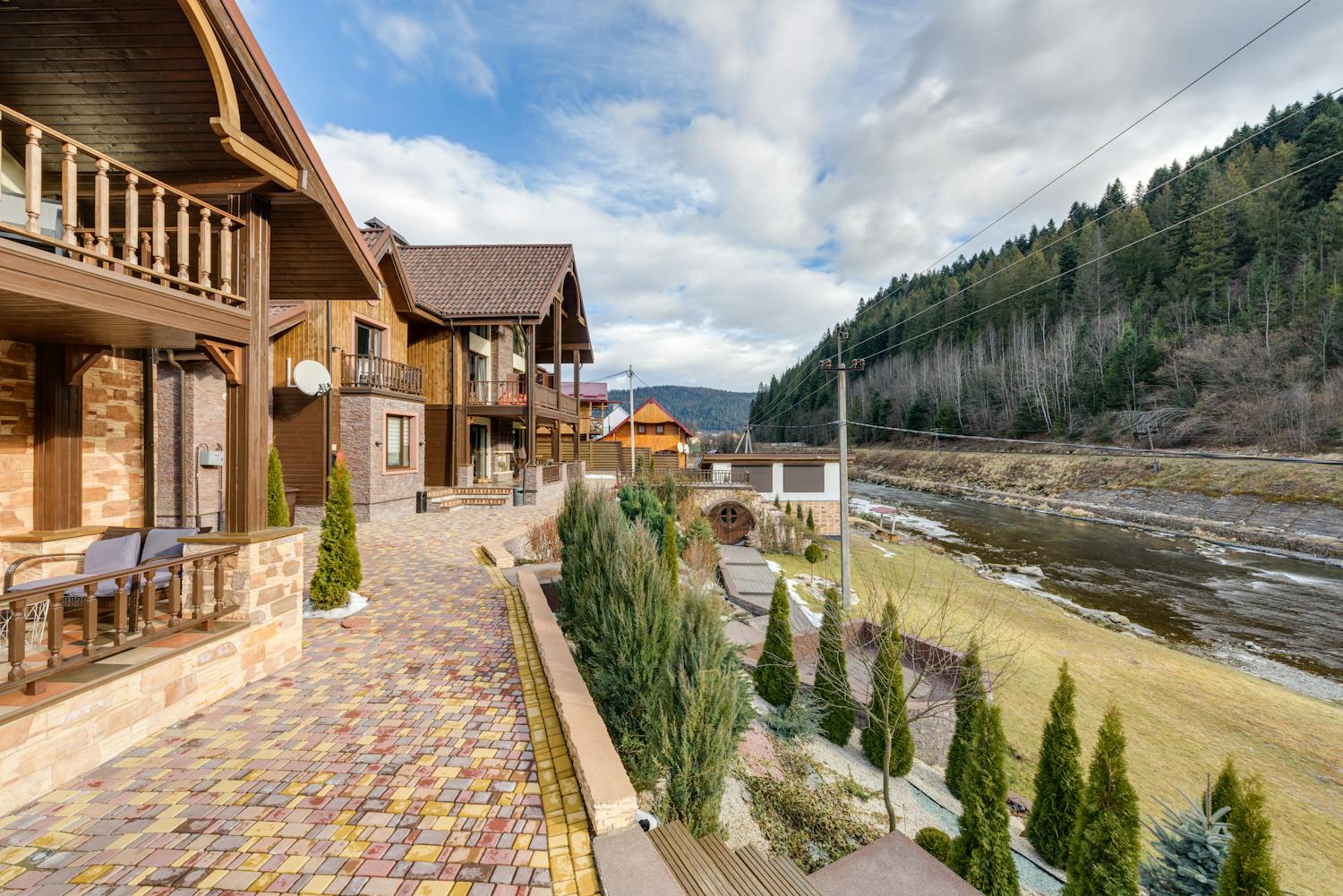
The Ganga is the soul of Rishikesh, and waking beside it is a different experience from a room in the lanes. The Ganges here is still young and mountain-clear, rushing down from the Himalayas over white sand and boulders — cool, clean and astonishingly green. A riverside stay trades the bustle of the bazaars for the sound of moving water, open sky, and easy access to swimming spots, beaches and rafting put-ins.
It is the choice for travellers who want nature and calm over walkability — honeymooners, families, groups of friends, and anyone craving a proper reset. You give up being able to stroll to a hundred cafes, but you gain something rarer: space, silence and the river at your doorstep. This guide covers every kind of riverside stay, what each costs, where they sit, and how to choose. For the full set of options, see the where to stay hub.
Riverside options at a glance
| Type | What it is | Rough price/night |
|---|---|---|
| Riverside camp (basic) | Tented stay on a beach, shared facilities, bonfire | ₹2,000–3,500 |
| Glamping / luxury camp | Upscale tents with beds, attached baths, activities | ₹3,500–6,000 |
| Mid-range river-view hotel | Comfortable rooms overlooking the Ganga | ₹3,000–8,000 |
| Upscale riverside resort | Pool, spa, villas, fine dining by the water | ₹8,000–20,000 |
| Flagship destination spa | All-inclusive wellness retreat near the river | ₹35,000+ |
These are typical 2026 ranges and rise in the Sep–Apr peak. Note that many camps operate seasonally and close during the monsoon when river levels are high — see best time to visit.
Where the riverside stays are
Within the town itself the Ganga is lined with ghats, temples and bathing steps rather than resorts, so the true riverside accommodation sits along the quieter stretches just outside the centre. Use the area guides to picture the geography:
Upstream toward Shivpuri — the riverside heartland
The stretch from the edge of town up to Shivpuri (about 15–20 km) is where most riverside camps and resorts cluster. Here the Ganga is wide, calm and flanked by white-sand beaches — the classic Rishikesh camping zone and the put-in for rafting. It is the place to be for nature and water access.
Outskirts & the far bank
Closer to town, a handful of mid-range and upscale hotels on the outskirts and the quieter far bank offer Ganga or valley views with a slightly shorter hop to the aarti and cafes. A good compromise between river calm and access.
Tapovan & Laxman Jhula river-view rooms
If you want walkability and a glimpse of the river, some hotels and guesthouses in Tapovan and Laxman Jhula have rooftop or upper-floor Ganga views — not true riverfront, but central and atmospheric.
Types of riverside stay
- Riverside camps — tents on a beach with shared baths, bonfire dinners and rafting; the classic budget riverfront. See camping in Rishikesh.
- Glamping / luxury camps — proper beds, attached bathrooms and activities, with the same beach setting.
- Mid-range river-view hotels — solid comfort and a Ganga view without resort prices.
- Upscale riverside resorts — pool, spa, villas and dining on the water; see luxury resorts.
- Riverside yoga retreats — practice with the river as your soundtrack.
What a riverside stay is like
Days by the Ganga have an unhurried shape. Mornings are for tea on the sand and a cautious dip in the cold, clear shallows; afternoons for reading in the shade, a rafting run, or a walk to a waterfall; evenings for a bonfire under a huge sky, the sound of the river never far away. Camps often include meals and a rafting trip, making them an easy all-in package; resorts give you the same setting with a pool, spa and room service.
Local tip: the Ganga is beautiful but powerful and very cold, with strong currents. Swim only in calm, shallow, designated spots, never alone, and never after dark or where the current is fast. Your camp or resort staff know the safe beaches — ask them. See the safety guide.
Riverside vs in-town stays
| Factor | Riverside | In-town (Tapovan/Laxman Jhula) |
|---|---|---|
| Setting | Nature, sand, open sky, quiet | Cafes, temples, bustle |
| Walkability | Low — drive to the bridges | High — everything on foot |
| Best for | Calm, families, couples, groups | Solo travellers, yoga students, foodies |
| Activities | Rafting, beach, bonfire | Yoga schools, markets, aarti |
| Price range | ₹2,000–20,000+ | ₹400–1,800 (budget–mid) |
Many travellers do both: a few nights in town for the yoga, cafes and culture, then a couple by the river to unwind — the perfect Rishikesh combination.
How to choose a riverside stay
- Decide your priority — budget beach camp, comfortable river-view hotel, or full-service resort.
- Check how close to the water the property actually is; “river view” can mean a distant glimpse.
- Confirm the season — many camps close in the monsoon when the river is high; verify dates.
- Ask what’s included — camps often bundle meals and rafting; resorts charge extras separately.
- Factor in transfers — you’ll need a car to reach the bridges and town; see how to reach Rishikesh.
- Match it to your group — camps suit friends and families; resorts suit couples and wellness seekers.
Related guides
- Where to stay in Rishikesh — the full lodging hub
- Camping in Rishikesh — the budget riverside option in depth
- Luxury resorts & yoga retreat stays — upscale riverfront
- Shivpuri — the riverside camping & resort area
- River rafting — the activity most riverside stays pair with
- Best time to visit & safety guide — plan a river stay
Riverside camping: the budget classic
For decades the most iconic way to sleep by the Ganga has been a riverside camp — a cluster of tents on a white-sand beach upstream, with a communal dining tent, a bonfire after dark and a rafting trip thrown in. It remains the best-value riverfront experience and one of the most memorable nights in Rishikesh. Basic camps offer simple tents and shared bathrooms; glamping outfits add real beds, attached baths and a little luxury.
Camps suit groups of friends and families especially well: the package usually covers meals, the rafting run and evening activities, so the cost is predictable and the logistics are handled. If you want the river without the resort price, this is where to look — just remember the seasonal closures during high water.
Eco-conscious and responsible riverside stays
The Ganga is sacred and ecologically sensitive, and riverside tourism is regulated to protect it. Beach camping along this stretch operates under state rules on numbers, waste and proximity to the water, administered by the authorities behind Uttarakhand Tourism. Choosing a registered, responsible operator matters more here than almost anywhere — both for your safety and for the river’s future. Look for stays that:
- Are licensed and registered for riverside operation
- Manage waste and sewage properly rather than letting it reach the river
- Keep tents and structures a safe, legal distance from the water line
- Avoid plastic and run clean-up practices on their beach
- Brief guests on safe swimming and river respect
Travelling responsibly keeps the experience available for everyone, and reflects the reverence the river commands in local life.
Booking, ID and getting there
A few practicalities make a riverside booking smooth. As at any Indian property, you must show photo ID at check-in, so carry your passport and, as a foreign visitor, your visa — most travellers arrive on an electronic visa obtained through the official portal at indianvisaonline.gov.in, with a printout kept for arrival. Beyond that:
- Arrange a transfer — riverside camps and resorts are a drive from town and the bridges; most organise pickup. See how to reach Rishikesh.
- Pack for the river — quick-dry clothes, sandals, sun protection and a dry-bag; see the packing list.
- Carry cash — remote camps may not take cards; see the budget guide.
- Confirm connectivity if you need it — signal is patchier away from town; see the internet & SIM guide.
Is a riverside stay right for you?
Choose the riverside if you want nature, calm and the Ganga at your doorstep — it is ideal for families, couples, groups and anyone craving a genuine reset, and it pairs perfectly with rafting and beach days. Choose an in-town stay instead if walkability, cafes, yoga schools and the buzz of the bazaars matter more to you, since the best riverfront means a drive from the centre.
The happiest answer, for many, is both: a few nights in Tapovan for the culture and practice, then a couple by the water to switch off. Compare every option at the where to stay hub, or start planning the trip from the trip-planning hub.
Best riverside stay by traveller type
Riverside Rishikesh works for almost everyone — the trick is matching the kind of property to your group and budget:
| You’re a… | Best riverside pick | Why |
|---|---|---|
| Group of friends | Riverside camp with rafting | All-in package, bonfire, beach, great value |
| Family | Glamping or mid-range river hotel | Beds, attached baths, space and safe beaches |
| Couple / honeymoon | Upscale riverside resort | Privacy, pool, spa and romantic Ganga views |
| Wellness seeker | Riverside yoga retreat or spa resort | Practice and treatments with the river as backdrop |
| Budget traveller | Basic beach camp | Cheapest way to sleep on the Ganga |
| Adventure lover | Camp near the rafting put-ins | Roll from your tent straight onto the river |
Whatever your style, the upstream stretch toward Shivpuri is where you will find the right fit — use the area guides to zero in on a spot.
The bottom line on riverside stays
A night beside the Ganga is one of the defining Rishikesh experiences — the rush of clear mountain water, a beach to yourself, a sky full of stars and a bonfire to end the day. Whether you do it on a shoestring in a simple tent or in a villa with a private pool, the river is the real draw, and it delivers a calm you rarely find in town. The only real trade-off is access: you swap walkable cafes for nature and quiet, and you will need a car to reach the bridges.
Decide how close to the water and how much comfort you want, choose a registered and well-reviewed operator, confirm the season, and book ahead for the Sep–Apr peak. Do that, and a riverside stay becomes the highlight of your trip. Ready to compare? Return to the where to stay hub or dive into riverside camping for the budget route, and weave in a few in-town nights for the best of both worlds.
A few final pointers
Two small habits make a riverside stay even better. First, build in a buffer day either side: the drive to and from the upstream camps eats into a short trip, so a riverside night sits best in the middle of your stay rather than on a travel day. Second, lean into the setting — the whole point of the river is to slow down, so resist over-scheduling and leave time simply to sit on the sand and watch the Ganga go by.
Pair this guide with the weather guide to pick the right month, the safety guide for the water, and the adventure guide for everything the river makes possible — and your riverside stay will be one you remember long after you leave.
Frequently asked questions
Where can I stay right by the Ganga in Rishikesh?
Most true riverside stays sit along the calmer upstream stretch from the edge of town toward Shivpuri, about 15 to 20 km away, where the Ganga is wide and flanked by sandy beaches. This zone holds the bulk of Rishikesh’s riverside camps and resorts, plus a few river-view hotels on the outskirts.
How much do riverside resorts in Rishikesh cost?
Basic riverside camps run about 2,000 to 3,500 rupees a night, glamping and luxury camps 3,500 to 6,000, mid-range river-view hotels 3,000 to 8,000, and upscale riverside resorts 8,000 to 20,000 or more. Flagship destination spas near the river cost considerably more and are all-inclusive.
Are riverside camps and resorts open during the monsoon?
Many riverside camps close during the monsoon, roughly July to September, when the Ganga runs high and fast and beaches are unsafe or submerged. Most resorts and hotels stay open year-round. Always confirm operating dates when booking a camp, and check the best time to visit guide.
Can I swim in the Ganga at a riverside stay?
Only with great care. The Ganga here is cold, clear and powerful with strong currents. Swim only in calm, shallow, designated spots, never alone and never after dark. Ask your camp or resort staff which beaches are safe, and read our safety guide before getting in the water.
Is it better to stay by the river or in town?
It depends on what you want. Riverside stays offer nature, calm and water access but need a car to reach the bridges and cafes. In-town stays in Tapovan or Laxman Jhula are walkable and lively but busier. Many travellers split their trip, doing a few nights in each.
What is included at a riverside camp?
Riverside camps often bundle accommodation in tents, meals, a bonfire and a rafting trip into one package, which makes them easy and good value. Facilities range from basic shared bathrooms to glamping tents with attached baths. Confirm exactly what is included and the tent standard when booking.
How far are riverside resorts from Rishikesh town?
Most are a 15 to 45 minute drive from the Laxman Jhula and Ram Jhula bridge areas, since the best riverfront sits upstream toward Shivpuri away from the crowded centre. Properties arrange transfers, but factor the distance in if you want to walk to cafes, temples and the aarti.
Are riverside resorts good for families and couples?
Yes. The calm setting, beaches, space and activities make riverside stays popular with families and groups, while upscale resorts and quieter camps suit couples and honeymooners. Camps lean social and active; resorts offer pools, spas and privacy for a more relaxing pace.
Do riverside stays have good views of the river?
Many do, but the phrase river view varies, so check. Camps sit directly on the beach, while hotels and resorts may offer full riverfront rooms or only a distant glimpse. Ask the property for specifics and request a Ganga-facing room if the view is a priority.
Can I do yoga at a riverside stay?
Yes. Several riverside resorts and retreats offer yoga and meditation with the river as a backdrop, and the calm setting suits practice well. Some riverside yoga retreats build the whole stay around daily sessions. In-town Tapovan has far more schools if yoga is your main focus.
Are riverside resorts safe?
Generally yes. Rishikesh is a safe destination and reputable camps and resorts follow safety practices for rafting and the riverside. The main risk is the river itself, so respect currents and designated swimming areas. Choose registered, well-reviewed properties and follow staff guidance near the water.
When is the best time for a riverside stay?
October to April is ideal, with pleasant days, clear skies and camps fully operational. Spring and autumn are especially lovely by the river. Avoid the peak monsoon when camps close and the river is dangerous. Summer is hot but the cool Ganga makes a riverside base very appealing.
Wake up to the Ganga
Explore riverside camping, browse luxury resorts, or see every option at the where to stay hub.