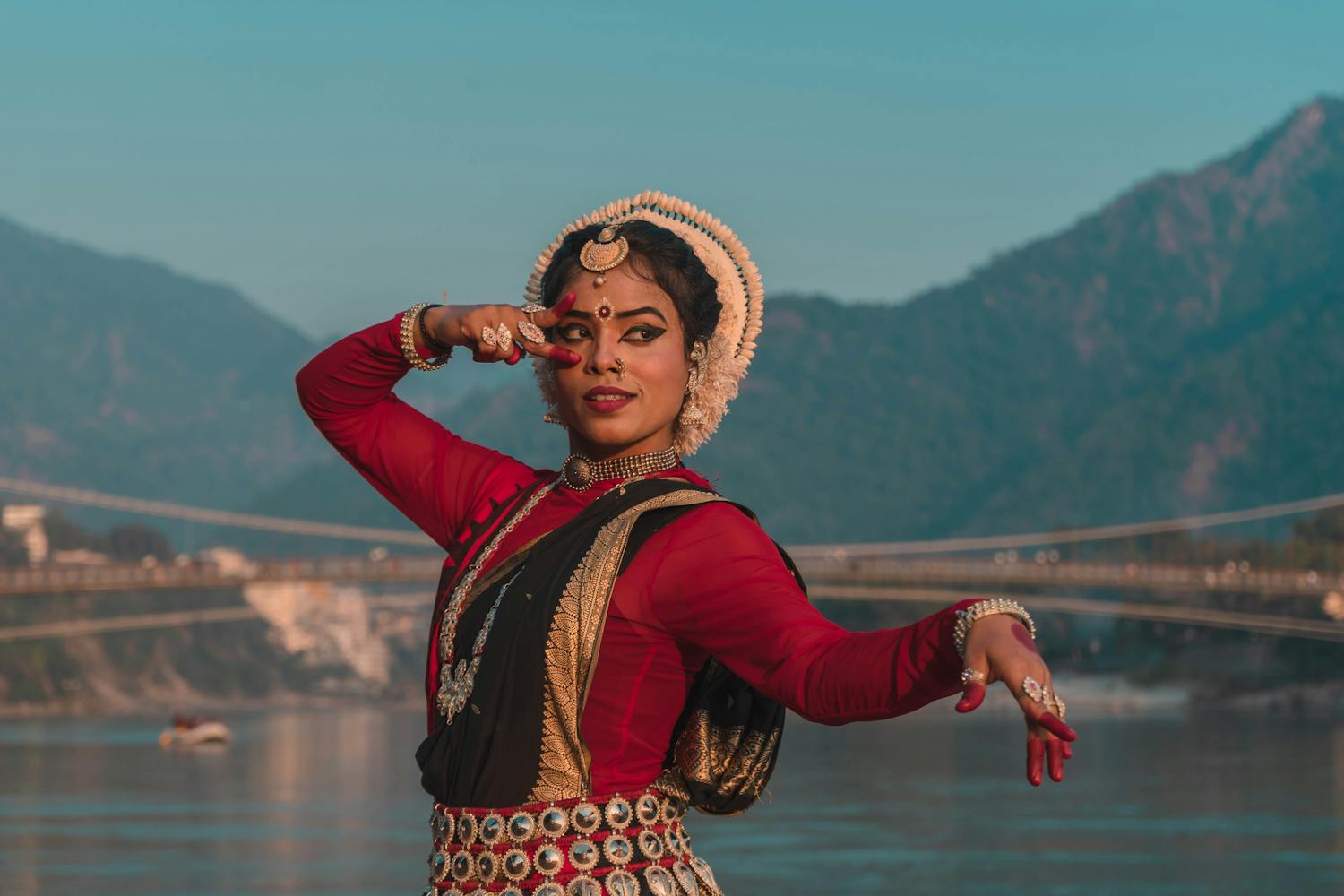
Areas & Neighbourhoods
Laxman Jhula, Rishikesh
The iconic bridge, temples and ghats — a complete guide to Rishikesh’s most atmospheric riverside neighbourhood.
Quick answer
Laxman Jhula is the most atmospheric, photogenic corner of Rishikesh — a cluster of lanes, temples and ghats on both banks of the Ganga around the famous footbridge. It’s the heart of the town’s spiritual and scenic side: the multi-storey Tera Manzil temple, riverside cafes, the evening aarti and constant pilgrim life. It’s a short walk from Tapovan’s yoga scene. Note: the historic bridge was closed on safety grounds in 2019 and a nearby replacement crossing now serves pedestrians. For where to sleep, see where to stay in Laxman Jhula.
Where is Laxman Jhula and what is it like?
Laxman Jhula takes its name from the slender suspension footbridge that has spanned the Ganga here for generations, linking the two banks where the river runs wide, clear and fast between green hills. It sits a few kilometres upstream of Rishikesh’s main town, just below and downstream of Tapovan, and for many visitors it is the postcard image of Rishikesh itself: a tangle of stepped lanes climbing from the water, temples rising above the rooftops, rooftop cafes gazing across the river, and a ceaseless flow of pilgrims, sadhus, cows and travellers.
The atmosphere here leans more spiritual and scenic than Tapovan’s yoga-and-cafe buzz. This is where you come for temples, ghats, river views and the timeless devotional rhythm of a Ganga pilgrimage town — the bells, the chanting, the lamps floating on the water at dusk. According to legend, Lakshman, brother of Lord Rama, crossed the river here on a rope bridge, and the area has been a place of crossing and worship ever since. This guide is the neighbourhood companion to our Laxman Jhula accommodation guide and the wider areas overview.
A note on the bridge
The original Laxman Jhula bridge — a much-loved iron suspension footbridge dating to the 1920s — was closed to the public in 2019 after authorities deemed it unsafe for the heavy foot traffic it carried. A nearby replacement crossing has since taken over the pedestrian link across the river, and the historic structure remains a landmark even while closed. The neighbourhood, its temples, ghats, lanes and cafes all remain very much open and as atmospheric as ever — so “Laxman Jhula” still very much refers to this whole riverside area, not just the bridge. Always check locally for the current crossing arrangements when you arrive.
Laxman Jhula at a glance
| Feature | Details |
|---|---|
| Location | Around the Laxman Jhula crossing, both banks, upstream of town |
| Known for | The bridge, temples, ghats, river views, the aarti |
| Vibe | Atmospheric, spiritual, scenic, lively with pilgrims |
| Best for | Sightseeing, temples, photography, the spiritual side |
| Getting around | On foot; autos at the road heads |
| Pairs with | Tapovan (uphill), Ram Jhula (downstream) |
Things to do in Laxman Jhula
Laxman Jhula rewards slow wandering. The pleasures here are about atmosphere — temples, the river, rooftop views and the daily rhythm of a pilgrimage town — rather than a checklist of sights, though there are plenty of those too.
Visit the temples
The area’s landmark is the striking multi-storey Tera Manzil (Trayambakeshwar) temple, its tiers packed with shrines and crowned by views over the Ganga. Other temples and shrines dot the lanes on both banks. See the famous temples guide for what you’re looking at and basic etiquette — remove shoes, dress modestly, and ask before photographing rituals.
Watch the Ganga Aarti
The evening Ganga Aarti — lamps, song and firelight offered to the river at dusk — is the soul of a Laxman Jhula evening. Several ghats hold versions of the ceremony; arrive early for a good spot and simply soak it in.
Linger in the rooftop cafes
Laxman Jhula has some of the best Ganga-view dining in Rishikesh — rooftop cafes where you can nurse a chai or a long breakfast and watch the river and the bridge for hours. See the food guide.
Walk the ghats & the riverbank
The ghats are for sitting, watching, dipping your feet in the cold, clear Ganges, and people-watching as pilgrims and sadhus go about their day. It’s free, endlessly absorbing, and the essence of the area.
Browse the markets & cross to Tapovan
Lanes of shops sell malas, books, clothes and souvenirs, and a short uphill walk takes you into Tapovan’s yoga and cafe scene — so you can combine both areas in a single day.
The vibe: who Laxman Jhula suits
- First-time sightseers — the most photogenic, iconic slice of Rishikesh.
- Spiritually-minded travellers — closest to the temples, ghats and the river’s devotional life.
- Photographers & view-seekers — the bridge, river and rooftops are endlessly shootable.
- Couples — atmospheric, romantic, with sunsets over the Ganga.
- Pilgrims — a sacred crossing point with temples and ghats at its heart.
- Short-stay visitors — the fastest way to feel the soul of the town.
It suits you less if your trip is built around daily yoga classes — then Tapovan is more convenient — or if you want riverside seclusion and adventure, which means heading upstream to Shivpuri.
Getting around Laxman Jhula
Like the rest of riverside Rishikesh, this is a walking neighbourhood:
- On foot — the lanes, temples, ghats and cafes are all within a few minutes’ walk on both banks.
- Crossing the river — use the current pedestrian crossing; check locally on arrival, as arrangements changed after the historic bridge closed.
- To Tapovan — a 10–15 minute uphill walk; Ram Jhula is a short auto ride or riverside walk downstream.
- Autos & taxis wait at the road heads for the stations, airport and day trips.
- Steps everywhere — travel light; see the packing list.
Local tip: come to the ghats twice — once in the early morning, when the light is soft, the air cool and the riverside almost meditative, and again at dusk for the aarti. The same spot feels like two completely different places, and both are the best of Laxman Jhula.
How Laxman Jhula compares to other areas
Each Rishikesh neighbourhood has its own flavour. Here’s where Laxman Jhula fits — see the areas hub for all of them:
| Area | Character | Best for |
|---|---|---|
| Laxman Jhula | Atmospheric, temples, river views, photogenic | Sightseeing, the spiritual side, couples |
| Tapovan | Yoga hub, cafes, lively, walkable | Yoga, nomads, food, first-timers |
| Ram Jhula | Ashrams, ghats, pilgrim feel | Spiritual study, quieter visits |
| Swarg Ashram | Traditional, devotional, traffic-free | Temples, ashrams, pilgrims |
| Shivpuri | Riverside, adventure, secluded | Rafting, camping, nature |
| Neelkanth | Hilltop temple, forest, day trip | Pilgrimage, a hike, a half-day out |
Laxman Jhula and Tapovan are the two most popular bases and sit a short walk apart — one for atmosphere and temples, the other for yoga and cafes. Many visitors enjoy both in a single trip.
Best time to visit Laxman Jhula
The neighbourhood is open year-round, but the experience shifts with the season — cross-check the best time to visit and weather guides:
- Autumn & spring (Oct–Nov, Mar–Apr) — the sweet spot: clear river, warm days, perfect for ghats and rooftops.
- Winter (Dec–Feb) — crisp, sunny days and cold nights; atmospheric and quieter.
- Summer (May–Jun) — hot midday; early mornings and evenings by the river are best.
- Monsoon (Jul–Sep) — dramatic and green with a swollen, powerful river; fewer crowds but frequent rain.
Festivals such as those around the river and Shiva draw big crowds — thrilling but busy; book ahead and expect a press of pilgrims.
Practical tips for Laxman Jhula
A few things make a visit smoother. India’s tourism portal, Incredible India, gives a useful overview of Rishikesh before you go, and most foreign visitors enter on an electronic visa obtained only via the official portal at indianvisaonline.gov.in — keep a printout for hotel check-ins. Then:
- Dress modestly for temples and ghats — cover shoulders and knees; carry a scarf. See the packing list.
- Mind the monkeys — they’re bold around the bridge and rooftops; don’t carry food or shiny items openly.
- Respect rituals — ask before photographing people at prayer or the aarti.
- Carry cash — many small shops and cafes are cash-only; see the budget guide.
- Take care near the river — the current is strong; see the safety guide.
- Check the crossing — confirm the current pedestrian route across the river on arrival.
What’s nearby
- Tapovan — yoga schools and cafes, a short walk uphill
- Ram Jhula & Swarg Ashram — the ashram quarter downstream
- Beatles Ashram — Chaurasi Kutia, nearby on the east side
- Shivpuri — rafting and riverside camps upstream
- Neelkanth Mahadev — a hilltop temple and a fine half-day trip
The legend and spiritual significance
The name Laxman Jhula — “Lakshman’s bridge” — comes from the epic tradition of the Ramayana. Local lore holds that Lakshman, the devoted younger brother of Lord Rama, crossed the Ganga at this very spot on a bridge of jute rope as an act of penance. Successive rope and then iron bridges marked the crossing over the centuries, and the place became woven into the sacred geography of Rishikesh, a town long regarded as a gateway to the Himalayan pilgrimage routes and a seat of spiritual learning.
That heritage is still palpable. Pilgrims pause to pray before crossing, sadhus in saffron robes rest on the ghats, and the temples fill with bells and chanting through the day. For visitors, this is part of what makes Laxman Jhula so absorbing: you are not just looking at a pretty river scene, but standing in a place that has held meaning for worshippers for a very long time. A little awareness of that significance — and a respectful manner around the temples and the river — deepens the whole experience.
What a day in Laxman Jhula looks like
To picture the rhythm of the area:
- Early morning — soft light on the river, sadhus and pilgrims at the ghats, the lanes quiet and cool
- Late morning — temples busy with worshippers, rooftop cafes serving long breakfasts over the Ganga
- Afternoon — browsing the markets, a walk along the riverbank, a cool drink in the shade
- Dusk — the crowds gather at the ghats for the Ganga Aarti, lamps and song over the water
- Evening — a rooftop dinner, the river glittering below, the temples lit against the dark hills
It’s an unhurried, devotional rhythm — less about doing and more about being present in one of the most evocative riverside settings in India.
The bottom line on Laxman Jhula
Laxman Jhula is the place to experience the soul of Rishikesh — its temples, its ghats, its river and its timeless pilgrim rhythm. It’s the most atmospheric and photogenic neighbourhood, ideal for sightseeing, the spiritual side, couples and short, evocative stays, with Tapovan’s yoga and cafes an easy walk uphill when you want them. The historic bridge may be closed, but the area it gave its name to is as alive and absorbing as ever.
Spend a morning on the ghats, an evening at the aarti, and time simply watching the river go by, and you’ll understand why this corner stays with people long after they leave. Ready to dig in? Find your base with where to stay in Laxman Jhula, explore the temples, compare the other neighbourhoods, and plan the practicalities from the trip-planning hub.
Laxman Jhula with kids, on a day trip, or as a base
However you fit Laxman Jhula into your trip, a little planning helps. On a day trip from Tapovan or town, give yourself a full afternoon and evening — wander the lanes and temples in the cooler hours, settle into a rooftop cafe, and stay for the aarti before heading back. As a base, it rewards slower travellers who want the river and temples on their doorstep and don’t mind walking uphill for the yoga scene; see where to stay for choosing a river-view room.
With children or older travellers, factor in the steps and slopes — the lanes are steep and uneven in places, so a measured pace and sensible shoes make all the difference, and a riverside or lower-level cafe is easier than a high rooftop. For photographers and slow travellers, simply build in unstructured time: the magic of Laxman Jhula isn’t in rushing between sights but in lingering — watching the light change on the water, the pilgrims at the ghats, and the temples glowing at dusk. Treat it as a place to slow down, and it gives back far more than a quick visit ever could.
Combining Laxman Jhula with the rest of Rishikesh
The beauty of Laxman Jhula’s position is how easily it links to everything else. A single, gentle day might begin with sunrise on the ghats here, climb to a late-morning yoga class and lunch in Tapovan, drift downstream to the ashrams of Ram Jhula and Swarg Ashram in the afternoon, and return to a Laxman Jhula rooftop for the aarti and dinner. Add a day-trip to Neelkanth or a rafting run from Shivpuri, and you have the full sweep of Rishikesh within easy reach. Use Laxman Jhula for atmosphere and the river, and let the rest of the town unfold around it from the trip-planning hub.
However you weave it in, Laxman Jhula is the neighbourhood that most often becomes a traveller’s lasting image of Rishikesh — the bridge, the bells and the green river, framed by the first rise of the Himalayas.
Frequently asked questions
What is Laxman Jhula known for?
Laxman Jhula is known as the most atmospheric, photogenic part of Rishikesh, centred on its famous river crossing. It is home to landmark temples like the multi-storey Tera Manzil, riverside ghats, rooftop cafes with Ganga views, and the evening Ganga Aarti, with a constant flow of pilgrims and sadhus.
Is the Laxman Jhula bridge open?
The historic Laxman Jhula suspension footbridge, dating to the 1920s, was closed to the public in 2019 over safety concerns about heavy foot traffic. A nearby replacement crossing now serves pedestrians across the river. The neighbourhood, its temples, ghats and cafes all remain open, so check locally for the current crossing on arrival.
Where is Laxman Jhula in Rishikesh?
Laxman Jhula sits on both banks of the Ganga around its namesake crossing, a few kilometres upstream of Rishikesh’s main town and just downstream of Tapovan. It is a short uphill walk from Tapovan and a little upstream of the Ram Jhula and Swarg Ashram area.
Is Laxman Jhula or Tapovan better to visit?
They complement each other and sit a short walk apart. Laxman Jhula is more atmospheric and closer to temples, ghats and the aarti, ideal for sightseeing and the spiritual side. Tapovan is the yoga and cafe hub. Many visitors base in one and walk to the other.
What are the best things to do in Laxman Jhula?
Visit the temples including the multi-storey Tera Manzil, watch the evening Ganga Aarti, linger in rooftop cafes over Ganga views, walk the ghats and riverbank, browse the markets, and stroll uphill into Tapovan. The pleasures are mostly about soaking up the atmosphere.
Can I see the Ganga Aarti at Laxman Jhula?
Yes, the evening Ganga Aarti, with lamps, song and firelight offered to the river at dusk, is one of the highlights of the area. Several ghats hold versions of the ceremony. Arrive a little early for a good spot, dress modestly, and ask before photographing people at prayer.
Are there temples in Laxman Jhula?
Yes, the area is dotted with temples and shrines, the landmark being the striking multi-storey Tera Manzil (Trayambakeshwar) temple, whose tiers are packed with shrines and offer fine river views. Remove your shoes, dress modestly, and follow basic etiquette when visiting.
Is Laxman Jhula good for photography?
Very much so. The river crossing, the temples rising above the lanes, the ghats, the rooftops and the aarti at dusk make it the most photogenic part of Rishikesh. Early morning and sunset offer the best light, and the area rewards slow, observant wandering.
How do I get around Laxman Jhula?
On foot. The lanes, temples, ghats and cafes are all within a few minutes’ walk on both banks, and you cross the river using the current pedestrian crossing. Tapovan is a short uphill walk, Ram Jhula a short ride downstream, and autos wait at the road heads for trips further afield.
Is Laxman Jhula good for couples?
Yes, it is one of the most romantic parts of Rishikesh, with atmospheric lanes, rooftop cafes, river views and sunsets over the Ganga, plus the evening aarti. Couples who want scenery, character and the spiritual side often prefer it to the more practical, yoga-focused Tapovan.
Is Laxman Jhula safe?
Yes, Laxman Jhula is very safe, including for solo travellers and women, with a calm, devotional atmosphere. Take normal care with valuables, watch out for bold monkeys near the bridge and rooftops, and respect the strong river current. See our safety guide for full details.
When is the best time to visit Laxman Jhula?
October to April brings the most pleasant weather, with spring and autumn especially lovely for the ghats and rooftops. Summer is hot but best enjoyed early and late in the day, and the monsoon is dramatic and green but wet. The area is atmospheric year-round.
Discover Laxman Jhula
Find a room with where to stay in Laxman Jhula, plan around the Ganga Aarti, or browse all the areas of Rishikesh.