Travel Planning
Rishikesh Budget Guide
Daily costs, sample budgets and money tips — from shoestring to comfortable.
Rishikesh is one of India’s great-value destinations — you can live well here on remarkably little, or splurge on comfort and still spend a fraction of Western prices. From the backpacker surviving happily on a few hundred rupees a day to the comfort traveller in a riverside resort, this guide breaks down exactly what a trip costs: daily budgets by travel style, prices by category, sample budgets, and honest money-saving tips. All figures are indicative 2026 ballparks in Indian rupees — confirm current prices locally. For the wider trip picture, see our travel planning hub.
Quick answer: In Rishikesh, daily budgets run roughly: backpacker ₹1,000–₹1,800 (hostel, local food, walking), mid-range ₹2,500–₹5,000 (private room, cafes, some activities), comfort ₹6,000–₹12,000+ (good hotel/resort, dining, taxis). Big one-offs sit on top: rafting ₹600–₹2,500, bungee ~₹3,500, a 200-hour yoga TTC ₹85,000–₹150,000. It is a largely cash economy — carry rupees; ATMs exist but can be unreliable. Rishikesh is alcohol-free, which keeps costs down.
A note on currency & these figures
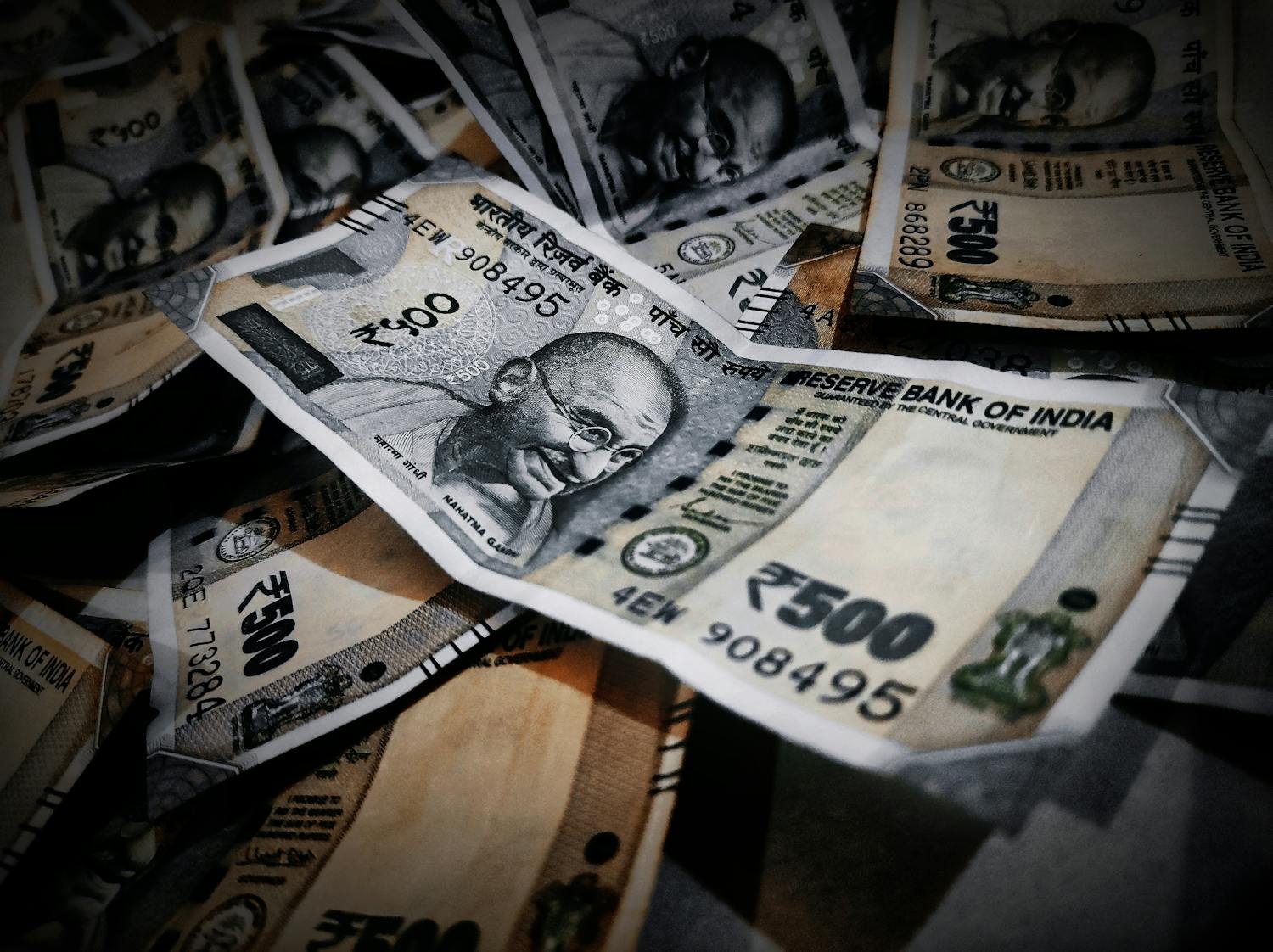
All prices in this guide are in Indian rupees (₹), India’s currency, with rough US-dollar equivalents for orientation (around ₹83 to the dollar at the time of writing, though the rate moves). Treat every figure as an indicative 2026 ballpark, not a fixed price — costs vary with season, demand, how hard you negotiate, and steady year-on-year inflation. Prices also differ between the budget riverside areas and pricier resorts, and between peak and quiet seasons.
The point of the numbers here is not pinpoint accuracy but orientation: enough to plan confidently, recognise a fair price, and know roughly what a day, a week or a month will cost. Always confirm the exact, current price directly before you commit — and check the live exchange rate if you are converting from your home currency, as it affects how cheap (or otherwise) Rishikesh feels to you.
Why Rishikesh is such good value
Rishikesh offers an unusual combination: world-class experiences at backpacker prices. A yoga teacher training that would cost a small fortune in the West, a half-day of Himalayan white-water rafting, a riverside room with a Ganga view, three home-cooked sattvic meals — all come at a fraction of what you would pay almost anywhere else. The low cost of living in India, fierce competition among the town’s countless guesthouses, schools and operators, and the simple, unpretentious nature of the place all keep prices remarkably low.
There is also a structural quirk that helps every budget: Rishikesh is a dry, largely vegetarian town. With no alcohol to buy and simple, cheap, plant-based food everywhere, two of the costs that quietly inflate travel budgets elsewhere — drinking and expensive dining — are largely removed. The result is that even comfort travellers spend modestly by global standards, and budget travellers can stretch a small amount of money an astonishingly long way. Few destinations deliver so much for so little.
Daily budget by travel style
| Style | Per day | What it covers |
|---|---|---|
| Backpacker | ₹1,000–₹1,800 | Hostel dorm, local/cafe food, walking, free things |
| Mid-range | ₹2,500–₹5,000 | Private guesthouse room, cafe meals, an activity or two |
| Comfort | ₹6,000–₹12,000+ | Quality hotel/resort, nice dining, taxis, treatments |
These cover day-to-day living — accommodation, food, local transport and small extras. Big-ticket items (a yoga course, multi-day rafting-and-camping, Ayurveda) are separate and sit on top; see the relevant guides for those.
Costs by category
Accommodation
- Hostel dorm bed: ~₹400–₹800/night
- Budget private room / guesthouse: ~₹800–₹1,500
- Mid-range hotel: ~₹1,500–₹4,000
- Riverside resort / boutique: ~₹4,000–₹10,000+
- Long-term rental (monthly): far cheaper per night; see long-term rentals
Food & drink
- Local dhaba / simple meal: ~₹50–₹150
- Cafe meal (the traveller staple): ~₹150–₹400
- Nicer restaurant / riverside cafe: ~₹400–₹800
- Coffee / smoothie / lassi: ~₹80–₹250
- No alcohol — Rishikesh is a dry town, removing a big cost; see our food guide
Local transport
- Shared auto / Vikram hop: ~₹20–₹50
- Private auto-rickshaw: ~₹50–₹200
- Taxi for a day trip (Neelkanth etc.): ~₹1,500–₹3,000
- Mostly walkable — the riverside areas cost nothing to explore on foot
Activities
- Rafting: ~₹600–₹2,500 by stretch
- Bungee / giant swing: ~₹3,500–₹4,000
- Drop-in yoga class: ~₹200–₹500
- Sound healing / meditation: ~₹200–₹2,000
- Many free things — aarti, beaches, temples, walks
💡 Tip: The single biggest budget lever is your room. A dorm vs a private vs a resort changes everything; food and local transport are cheap across the board, so accommodation is where you decide your overall spend.
Sample daily budgets
Backpacker (~₹1,400/day)
- Hostel dorm: ₹600
- Cafe/local food: ₹500
- Shared autos & walking: ₹100
- Drop-in yoga class: ₹200
- Total: ~₹1,400 (~$17) + occasional activities
Mid-range (~₹3,500/day)
- Private guesthouse room: ₹1,500
- Cafe meals: ₹800
- Autos: ₹200
- An activity (yoga/rafting amortised): ₹1,000
- Total: ~₹3,500 (~$42)
Comfort (~₹8,500/day)
- Riverside resort / boutique room: ₹6,000
- Good dining: ₹1,500
- Private taxi / treatments: ₹1,000
- Total: ~₹8,500 (~$102)
How long can you stay on your budget?
One of the joys of Rishikesh is how far money goes — here is roughly what different budgets buy in terms of time, which is useful for slow travellers and anyone deciding how long to stay:
| If you have… | Backpacker days | Mid-range days |
|---|---|---|
| ₹10,000 (~$120) | ~6–7 days | ~2–3 days |
| ₹25,000 (~$300) | ~2 weeks | ~5–7 days |
| ₹50,000 (~$600) | ~4–5 weeks | ~10–14 days |
These exclude big one-offs and getting there, but they show why Rishikesh is such a magnet for long-stay and slow travellers: a modest budget buys weeks, not days. Long stays also unlock monthly rentals and course discounts that lower the per-day cost further — see our digital nomad guide.
Sample total trip budgets
To put it all together, here are rough total budgets for a one-week trip (excluding international flights), so you can ballpark the whole thing:
Backpacker week (~₹15,000–₹20,000 / ~$180–$240)
- 7 nights hostel + local food + walking: ~₹10,000
- A rafting trip & a few drop-in yoga classes: ~₹3,000
- Transport from Delhi (overnight bus, both ways): ~₹2,000
- Roughly ₹15,000–₹20,000 for a rich week on a shoestring
Mid-range week (~₹35,000–₹50,000 / ~$420–$600)
- 7 nights private guesthouse + cafe meals: ~₹20,000
- Rafting, bungee or Ayurveda + activities: ~₹10,000
- Train (Shatabdi) + taxis: ~₹5,000
- Roughly ₹35,000–₹50,000 for a comfortable, activity-filled week
Yoga-trip month (~₹120,000–₹180,000 / ~$1,450–$2,150)
- 200-hour TTC (all-inclusive room & meals): ~₹100,000–₹150,000
- Extras, treatments, weekend trips: ~₹15,000
- Flights/transfers within India: ~₹5,000–₹10,000
- Roughly ₹120,000–₹180,000 for a transformative month — see yoga costs
These are guides, not guarantees — your actual spend depends on choices, season and how much you do. But they show the range: a frugal week for the price of a single night in many Western cities, or a life-changing month of yoga for less than a short Western retreat.
Big one-off costs to plan for
- 200-hour yoga TTC: ~₹85,000–₹150,000 all-inclusive (the biggest single spend for many); see yoga costs
- Rafting + camping combo: ~₹1,800–₹3,500
- Bungee / adventure-park day: ~₹4,000–₹8,000 for combos
- Multi-day Ayurveda / panchakarma: ~₹3,000–₹8,000+/day; see Ayurveda
- Getting there: flights/trains/buses from Delhi; see Delhi to Rishikesh
- Visa & insurance for international visitors
Hidden costs to watch for
A few costs catch travellers out because they sit outside the obvious daily spend — budget for these so they do not surprise you:
- Getting there & back — flights, trains or buses from Delhi can rival several days of on-the-ground costs; see Delhi to Rishikesh.
- Visa & travel insurance — essential for international visitors and easy to forget when budgeting.
- Photo/video packages — for rafting, bungee and ziplining, often an extra ₹500–₹1,500.
- Airport/station transfers — the final leg from Dehradun or Haridwar; see those route guides.
- Laundry, SIM & data — small but real; see our SIM guide.
- Donations & tips — at ashrams, for guides and aarti — modest but worth carrying cash for.
- Shopping — Rishikesh is full of tempting clothes, gear, crystals and souvenirs; easy to overspend.
💡 Tip: Add a 10–15% buffer to your planned budget for these extras and the inevitable spontaneous spend — an unplanned massage, a second rafting trip, a beautiful shawl. You will almost certainly use it, and it saves stress.
Money: cash, cards & ATMs
Rishikesh runs largely on cash. While bigger hotels, some restaurants and tour operators — part of India’s growing tourism economy — take cards or UPI, many guesthouses, cafes, autos, ashrams and small shops prefer (or only take) cash. Practical points:
- Carry enough rupees — top up in a city or at the airport, and keep a reserve.
- ATMs exist but can be unreliable — out of cash, out of order, or limited; do not rely on finding one when you need it.
- UPI (Indian mobile payments) is widespread but generally needs an Indian bank account — less useful for short-term foreign visitors.
- Keep small notes — drivers and small vendors rarely have change for large bills.
- Notify your bank before travelling so foreign cards are not blocked.
- Carry a backup card and keep cash in more than one place.
💡 Tip: Withdraw a comfortable amount of cash in Delhi/Dehradun on arrival rather than counting on Rishikesh ATMs. Running out of cash in a cash-first town on a weekend can be a real headache.
How to save money in Rishikesh
- Stay in a dorm or share a room — the biggest saving available.
- Eat at local cafes and dhabas rather than only tourist spots; see food.
- Walk — the riverside areas are compact and free to explore.
- Do the free things — the aarti, beaches, temples and walks; see free things to do.
- Negotiate politely for rafting, taxis and longer stays, especially as a group or off-peak.
- Travel overnight (bus/train) to save a night’s accommodation.
- Stay longer — guesthouses and courses often give long-stay discounts.
- Skip alcohol — the dry town does this for you, saving a typical traveller cost.
Budget by traveller type
| Traveller type | Typical daily budget |
|---|---|
| Backpacker | ₹1,000–₹1,800; see our backpacker guide |
| Digital nomad / long-stay | Lower per-day with monthly rentals; see nomad guide |
| Yoga student (on a course) | Course covers room/food; ~₹500–₹1,500/day extras |
| Couple | ~₹4,000–₹8,000 combined for mid-range comfort |
| Family | Varies; private rooms & taxis; see our family guide |
| Comfort traveller | ₹6,000–₹12,000+ |
Where to splurge, where to save
Smart budgeting in Rishikesh is less about spending little everywhere and more about spending well — here is where your money makes the most difference:
Worth spending on
- A reputable yoga school or course — the cheapest TTC is rarely the best value; quality teaching is worth paying for. See choosing a school.
- A licensed adventure operator — never pick the cheapest rafting or bungee; safety is worth the few hundred rupees.
- A few good meals or treatments — a riverside dinner or an Ayurvedic massage are affordable luxuries here.
- A comfortable arrival — after a long journey, a decent room or a private taxi is money well spent.
Easy to save on
- Everyday food — local cafes and dhabas are cheap and excellent.
- Local transport — walk, or use shared autos for a few rupees.
- Entertainment — the best experiences (aarti, the river, temples, walks) are free.
- Accommodation, if flexible — dorms and shared rooms slash your biggest cost.
Get this balance right and you can have a rich, safe, memorable trip without overspending — splurging on the experiences that matter and saving effortlessly on the daily basics.
Cost of living for long stays
If you are staying weeks or months — for a course, as a digital nomad, or simply slow-travelling — your costs drop significantly compared with short-trip rates:
- Monthly rooms / rentals — far cheaper per night than nightly rates; negotiate a monthly deal. See long-term rentals.
- Cooking or eating local — daily cafe habits add up; mixing in dhaba meals or self-catering saves over time.
- A local SIM with a good data plan — cheap and essential for nomads; see our SIM guide and nomad guide.
- Settling into routines — a regular cafe, a regular yoga class, a known auto route — all lower your costs once you stop paying tourist prices.
A long-stay traveller can comfortably live well in Rishikesh for ₹30,000–₹60,000 a month (~$360–$720) including a private room, food and a yoga practice — one of the reasons it is such a popular base for extended stays and remote work.
Common mistakes
- Relying on ATMs/cards — carry enough cash in a cash-first town.
- Only eating at tourist cafes — local spots are far cheaper.
- Not negotiating rafting, taxis and long stays.
- Forgetting big one-offs — a yoga course or adventure combo dwarfs daily costs.
- Carrying only large notes — keep small change for autos and vendors.
- Underbudgeting getting there — flights/trains add up; see Delhi to Rishikesh.
Local tips you should know
- Withdraw cash before arriving — Rishikesh ATMs are unreliable.
- Accommodation is your main cost lever — choose your room type deliberately.
- Local food and transport are cheap — splurge selectively on activities.
- Negotiate as a group for the best rafting and taxi rates.
- Long-stay discounts are common — ask if staying a week or more.
- International visitors: sort your e-Visa and check exchange rates; see how to reach Rishikesh.
Related guides & nearby
- Yoga & wellness costs — the biggest spend for many.
- Rafting cost — adventure pricing.
- Where to stay & budget hotels — control your main cost.
- Rishikesh for backpackers — doing it cheap.
- Travel planning hub — everything to plan your trip.
Frequently asked questions
How much does a trip to Rishikesh cost per day?
Roughly ₹1,000–₹1,800 a day for backpackers (hostel, local food), ₹2,500–₹5,000 for mid-range (private room, cafes, an activity), and ₹6,000–₹12,000+ for comfort travel (good hotel, dining, taxis). Big one-offs like a yoga course sit on top.
Is Rishikesh expensive?
No — it is one of India’s great-value destinations. You can live well on a modest daily budget, and even comfort travel costs a fraction of Western prices. Being a dry (alcohol-free) town also keeps costs down.
How much money should I carry in Rishikesh?
Enough cash for several days, as Rishikesh runs largely on cash and ATMs can be unreliable. Withdraw a comfortable amount in Delhi or Dehradun on arrival, keep small notes for autos and vendors, and carry a backup card.
Can I use cards in Rishikesh?
Sometimes — bigger hotels, some restaurants and tour operators accept cards, but many guesthouses, cafes, autos, ashrams and small shops prefer or only take cash. Carry plenty of rupees and do not rely on cards.
Are there ATMs in Rishikesh?
Yes, but they can be unreliable — sometimes out of cash, out of order or limited. Do not count on finding a working one when you need it; withdraw cash before you arrive and keep a reserve.
What is the cheapest way to visit Rishikesh?
Stay in a hostel dorm or shared room, eat at local cafes and dhabas, walk everywhere, do the free things (aarti, beaches, temples, walks), travel overnight by bus or train, and negotiate for activities. Backpackers can manage on around ₹1,000–₹1,800 a day.
How much does accommodation cost in Rishikesh?
Hostel dorms run about ₹400–₹800 a night, budget private rooms ₹800–₹1,500, mid-range hotels ₹1,500–₹4,000, and riverside resorts or boutique stays ₹4,000–₹10,000+. Monthly rentals are far cheaper per night.
How much does food cost in Rishikesh?
A simple local meal is ₹50–₹150, a cafe meal ₹150–₹400, and a nicer restaurant ₹400–₹800. With no alcohol to buy, eating out stays affordable, especially if you favour local spots.
Do I need to tip in Rishikesh?
Tipping is appreciated but modest and not obligatory — rounding up or a small tip for good service at restaurants, for guides, or for hotel staff is customary. It is not built into prices the way it is in some countries.
How much does a yoga course cost in Rishikesh?
A 200-hour teacher training runs roughly ₹85,000–₹150,000 all-inclusive of tuition, accommodation and meals — typically the biggest single cost of a yoga-focused trip. See our yoga costs guide for the full breakdown.
Is it worth budgeting extra for activities?
Yes — daily living is cheap, but big experiences (rafting, bungee, a yoga course, Ayurveda) are where the memorable spending goes. Budget these separately on top of your daily costs so they do not catch you out.
Can I do Rishikesh on a tight budget?
Absolutely — it is one of the most budget-friendly destinations in India. Dorms, local food, free spiritual experiences and cheap transport mean a rich trip is possible on very little, especially for longer, slower stays.
Plan your Rishikesh budget
Whatever your budget, Rishikesh delivers far more than it costs. Decide your daily style, budget big one-offs separately, carry cash, and you will have a rich trip without overspending. These guides will help:
- Yoga & wellness costs — the big spend
- Rafting cost — adventure pricing
- Rishikesh for backpackers — doing it cheap
- How to reach Rishikesh — budget the journey