Areas & Neighbourhoods
Neelkanth, Rishikesh
The forested hilltop temple above Rishikesh — how to reach it, the trek and the road, and how to plan the perfect day trip.
Quick answer
Neelkanth is a hilltop temple area in the forested ridges above Rishikesh, home to the revered Neelkanth Mahadev temple dedicated to Shiva. It sits across the river and up in the hills (about an hour by road, or a 2–4 hour trek through the forest). Most visitors come as a half- or full-day trip from town. Go early, choose road or trek to suit your fitness, and combine it with Swarg Ashram or the river. For the temple’s legend and rituals, see our Neelkanth Mahadev guide.
Where is Neelkanth and what is it like?
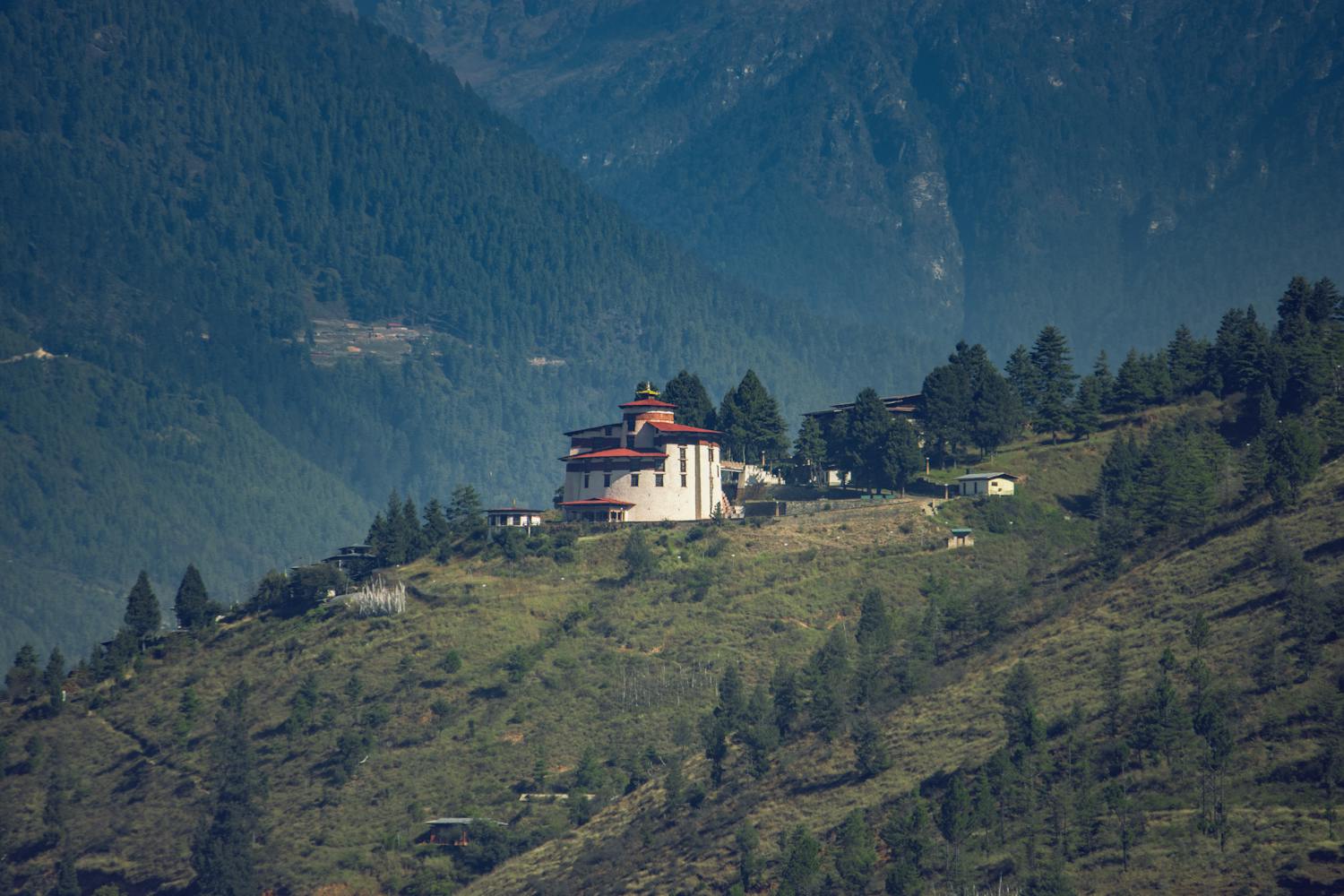
Neelkanth lies in the forested hills to the east and above Rishikesh, set among the ridges of the Rajaji landscape at around 1,300 metres — high enough that the air cools and the views open out over wave after wave of green hills. Unlike the riverside neighbourhoods, this isn’t a place you stay or stroll through; it’s a pilgrimage destination and a day trip, centred on the famous Neelkanth Mahadev temple and the journey — by road or on foot — to reach it.
The appeal is twofold: the spiritual draw of one of the most important Shiva temples in the region, and the journey itself through forest that feels a world away from the busy ghats below. Pilgrims come year-round, swelling to huge numbers during the monsoon Kanwar season and around Shivratri, while travellers come for the scenic drive or the rewarding forest trek and the cool, panoramic setting at the top. This guide focuses on the area and how to visit — reaching it, the trek versus the road, and planning your day; for the deity, legend and temple rituals, see the dedicated Neelkanth Mahadev temple guide and the wider areas overview.
Neelkanth at a glance
| Feature | Details |
|---|---|
| Location | Forested hills east of & above Rishikesh, ~1,300 m |
| Distance | ~32 km by road (~1 hr); ~12 km / 2–4 hr on foot |
| Known for | Neelkanth Mahadev (Shiva) temple, forest trek, views |
| Vibe | Pilgrimage, forest, scenic, cooler hill air |
| Best for | A day trip — pilgrims, hikers, view-seekers |
| How to visit | Road (taxi/shared jeep) or trek; go early |
How to reach Neelkanth
Getting to Neelkanth is half the experience, and you have two very different options — the road or the trek. Many visitors do one each way.
By road
The easiest option is a taxi or shared jeep, roughly an hour’s drive (about 32 km) on a winding hill road from Rishikesh. Shared jeeps run from near the bridges, especially in pilgrimage season; private taxis can be arranged from Tapovan or town and will usually wait for you at the top. The drive itself is scenic, climbing through forest with valley views — lovely if the mountain bends don’t bother you (carry motion-sickness tablets if they do).
On foot (the trek)
The traditional approach is a forest trek of about 12 km, starting from near Swarg Ashram on the east bank and climbing steadily through the woods to the temple. It takes most people 3–4 hours up and somewhat less down, and rewards you with birdsong, forest shade and a genuine sense of pilgrimage. It’s moderately strenuous — a real hill walk, not a stroll — so go early, carry water and snacks, and don’t underestimate it in the heat.
The best of both
A popular combination is to trek up and take a jeep down (or vice versa) — you earn the views and the forest on the way up, then save your knees and time on the descent. Arrange the vehicle in advance or pick one up at the top in season.
What it’s like at the top
At the summit you reach the Neelkanth Mahadev temple, a vivid, much-loved shrine to Shiva set in a natural amphitheatre of forested ridges. Around it you’ll find a small bustle of stalls selling offerings, prasad, snacks and cold drinks, plus basic facilities for pilgrims. The atmosphere depends entirely on timing: serene and uncrowded on an ordinary weekday morning, intensely busy and electric during festivals. Either way, the cool air and the panorama over the hills make the journey worthwhile. (For the full story of the deity, the Samudra Manthan legend and temple rituals, see our Neelkanth Mahadev guide.)
The vibe: who Neelkanth suits
- Pilgrims — one of the most revered Shiva temples in the region.
- Hikers — a rewarding forest trek with a clear destination.
- View-seekers — cool hill air and sweeping panoramas over the foothills.
- Day-trippers — a satisfying half- or full-day escape from the town below.
- Nature lovers — forest, birdlife and quiet away from the ghats.
- Culture-curious travellers — a glimpse of living pilgrimage tradition.
It suits you less if you have limited time, mobility issues that make the steep approach hard, or you’re visiting during a peak festival and dislike big crowds. In those cases, the riverside temples in town may suit you better.
Local tip: start early — ideally not long after dawn. You’ll trek or drive in cooler air, reach the temple before the crowds and midday heat, and be back in town with the afternoon free. An early start is the single best decision you can make for a Neelkanth day.
Road vs trek: which to choose
| Factor | By road | On foot (trek) |
|---|---|---|
| Time | ~1 hr each way | ~3–4 hr up, less down |
| Effort | Easy (winding drive) | Moderately strenuous hill walk |
| Best for | Short on time, families, pilgrims | Hikers, nature lovers, the full experience |
| Cost | Taxi/shared jeep fare | Free (a guide is optional) |
| Reward | Scenic drive, quick | Forest, birdsong, real pilgrimage feel |
No wrong answer — pick by your fitness and time, or combine the two by trekking one way and riding the other.
Planning your Neelkanth day trip
A little preparation makes the trip far smoother:
- Start at or before dawn to beat the heat and crowds, especially if trekking.
- Carry water and snacks — essential on the trek; stalls at the top sell drinks and food too.
- Wear good shoes for the trek and modest clothing for the temple; see the packing list.
- Bring small cash for offerings, prasad, parking and stalls; see the budget guide.
- Arrange your return — if driving, have the taxi wait; if trekking, fix a jeep down or allow time to walk.
- Leave valuables behind and travel light; phone signal is patchy, so download maps first (see the internet guide).
Best time to visit Neelkanth
Timing shapes both comfort and crowds — cross-check the best time to visit and weather guides:
- Autumn & spring (Oct–Nov, Mar–Apr) — ideal: clear skies, comfortable trekking, great views.
- Winter (Dec–Feb) — cold but clear and quiet; a crisp, rewarding hike.
- Summer (May–Jun) — hot for the trek; go very early or take the road.
- Monsoon (Jul–Aug) — lush but slippery on the trail, and the peak Kanwar pilgrimage season brings enormous crowds of devotees.
- Shivratri — the great Shiva festival draws huge numbers; thrilling but extremely busy.
For a peaceful visit, choose an ordinary weekday morning outside festival periods.
Combining Neelkanth with the rest of your trip
Neelkanth pairs naturally with the east-bank areas. If you trek from Swarg Ashram, you can explore its ashrams and the Beatles Ashram on the same side either before or after. Energetic travellers sometimes combine a morning at Neelkanth with an afternoon rafting run, though that’s a big day. More relaxed itineraries pair the temple trip with a restful evening back in Tapovan and the Ganga Aarti. India’s tourism portal, Incredible India, lists Neelkanth among the region’s key sights, and most foreign visitors enter on an electronic visa obtained only via the official portal at indianvisaonline.gov.in.
What’s nearby
- Swarg Ashram — the usual trek trailhead, with ashrams and temples
- Beatles Ashram — on the same east-bank side, easy to combine
- Forest waterfalls — seasonal falls dot the surrounding hills
- Shivpuri — the rafting area, for an action-packed day pairing
- Other temples — round out a temple-focused itinerary in town
What the journey feels like
Whichever way you go, the trip to Neelkanth has a satisfying arc — a deliberate leaving-behind of the busy riverside and a climb into a quieter, greener world. On the trek, the noise of the town fades within minutes as the path enters the forest; you climb through dappled shade, past chai stalls and the occasional shrine, with birdsong and the rustle of langurs in the canopy, and the views opening wider with every switchback. By road, the same transformation happens through the car window — the hills folding away into the distance as you climb.
Arriving at the temple after that journey carries a small sense of achievement, whether you’ve walked for hours or simply wound your way up by jeep. Pilgrims ring the bells and make their offerings; travellers catch their breath, take in the panorama, and sip a sweet chai in the cool air. Then the descent — lighter, faster, the whole valley laid out below — and you’re back in Tapovan or by the river before you know it, with a proper day’s adventure behind you.
Why Neelkanth is worth the trip
In a town full of riverside temples and ghats, Neelkanth offers something different: a destination that asks a little effort and rewards it generously. A few reasons it earns its place on most Rishikesh itineraries:
- It gets you into the forest and hills — a change of scene and cooler air above the valley.
- It combines journey and destination — the trek or drive is as memorable as the temple itself.
- It’s a living pilgrimage — you witness genuine devotion, especially in season.
- The views are superb — ridge after ridge of green hills, often above the haze of the valley.
- It’s flexible — hike it hard or drive it easy, on a half-day or a full one.
- It pairs with everything — ashrams, rafting or a restful evening, all within reach.
The bottom line on Neelkanth
Neelkanth is the classic day trip from Rishikesh — a forested hilltop crowned by one of the region’s most revered Shiva temples, reached by a scenic drive or a rewarding forest trek. It’s the perfect counterpoint to days spent by the river: a climb into cooler, greener hills, a taste of living pilgrimage, and panoramic views as your reward. Start early, choose road or trek to suit you, dress and behave respectfully at the temple, and combine it with the east-bank ashrams or a river day for a full Rishikesh experience.
For the deity, the Samudra Manthan legend and the temple’s rituals and seasons, read our dedicated Neelkanth Mahadev temple guide. To weave the trip into your plans, compare the other neighbourhoods and start from the trip-planning hub. However you reach it, the climb to Neelkanth is one of the most rewarding half-days Rishikesh has to offer.
Tips and common mistakes
A handful of small things separate a smooth Neelkanth day from a frustrating one. The most common mistakes travellers make:
- Starting too late. Setting off mid-morning means trekking in the heat and arriving with the crowds — dawn starts are far better.
- Underestimating the trek. It’s a proper 12 km hill climb, not a gentle walk; pace yourself and carry water.
- Going during a peak festival without expecting crowds. Kanwar season and Shivratri draw enormous numbers — wonderful energy, but be ready for queues and packed paths.
- Not arranging the return. Have your taxi wait, or confirm a jeep down, so you’re not stuck at the top.
- Forgetting temple etiquette. Cover shoulders and knees, remove shoes, and be respectful around worship.
- Carrying valuables or heavy bags. Travel light; you’ll thank yourself on the climb.
A few positive habits round it out: take small cash for offerings and chai, keep some snacks for energy, download your route offline since signal is patchy, and build in time simply to sit at the top and enjoy the view rather than rushing back down. Treat Neelkanth as a half-day to savour — part hike, part pilgrimage, part panorama — and it becomes one of the most memorable outings of a Rishikesh trip. Pair it with the temple guide for the spiritual context and the best time to visit guide to pick your day.
Get those basics right and the hill rewards you many times over — with forest, views, and a sense of arrival that the riverside temples, for all their beauty, simply can’t match. It is the half-day that most often surprises travellers into loving it.
However you approach it — a hard hike up or an easy drive, a quiet weekday or a thronging festival — Neelkanth completes the picture of Rishikesh: not just a town on the river, but a gateway to the forested Himalayan foothills and the temples hidden among them.
Frequently asked questions
What is Neelkanth known for?
Neelkanth is known for the Neelkanth Mahadev temple, one of the most revered Shiva temples in the region, set on a forested hilltop above Rishikesh. Visitors come for the temple, the scenic forest trek or drive to reach it, and the cool air and panoramic views at around 1,300 metres.
How far is Neelkanth from Rishikesh?
Neelkanth is about 32 km from Rishikesh by road, roughly an hour’s drive on a winding hill road. On foot, the traditional forest trek from near Swarg Ashram is about 12 km and takes most people 3 to 4 hours uphill, with a faster descent.
How do I get to Neelkanth Mahadev temple?
You can drive by taxi or shared jeep in about an hour, or trek roughly 12 km through the forest from near Swarg Ashram in 3 to 4 hours. A popular option is to trek up and take a jeep down, or vice versa, combining the forest experience with an easier return.
Is the Neelkanth trek difficult?
It is moderately strenuous, a real hill walk of about 12 km that climbs steadily through forest and takes 3 to 4 hours up. It is manageable for reasonably fit walkers, but go early, carry water and snacks, and do not underestimate it in summer heat. The road is the easy alternative.
Can I visit Neelkanth as a day trip from Rishikesh?
Yes, Neelkanth is usually visited as a half or full-day trip. By road you can be there and back in a few hours; the trek makes it a fuller day. Start early to beat the heat and crowds, and you will still have part of the day free back in town.
When is the best time to visit Neelkanth?
October to November and March to April offer clear skies and comfortable trekking. Winter is cold but quiet and clear. Summer is hot, so go very early or drive. The monsoon Kanwar season and Shivratri bring enormous crowds of pilgrims, which is atmospheric but extremely busy.
Do I need to trek, or can I drive all the way?
You can drive almost all the way by taxi or shared jeep on a hill road, then walk a short final stretch to the temple. The trek is optional and traditional, chosen by those who want the forest experience. Either way reaches the same hilltop temple.
What is the Neelkanth Mahadev temple?
It is a vivid, much-loved temple dedicated to Lord Shiva, marking the spot tied to a famous legend in which Shiva drank poison to save creation. Set in a natural amphitheatre of forested ridges, it draws pilgrims year-round. For the full legend and rituals, see our Neelkanth Mahadev temple guide.
Is Neelkanth crowded?
It depends entirely on timing. An ordinary weekday morning is serene and uncrowded, but the monsoon Kanwar pilgrimage season and the Shivratri festival bring vast numbers of devotees. For a peaceful visit, go early on a weekday outside festival periods.
What should I bring to Neelkanth?
Bring water and snacks, especially for the trek, good walking shoes, modest clothing for the temple, sun protection, small cash for offerings and stalls, and motion-sickness tablets if the winding drive affects you. Download maps in advance, as phone signal is patchy.
Can I combine Neelkanth with other places?
Yes. Trekking from Swarg Ashram lets you explore its ashrams and the Beatles Ashram on the same side. Energetic travellers pair a Neelkanth morning with afternoon rafting at Shivpuri, while relaxed plans end with the Ganga Aarti back in town. It fits well into a temple or adventure itinerary.
Is Neelkanth suitable for non-Hindu visitors?
Yes, visitors of all backgrounds are welcome at the temple and the area is rewarding for the trek, forest and views alone. Dress modestly, remove shoes at the temple, and behave respectfully around worshippers, and you will be made welcome like any other visitor.
Make the climb to Neelkanth
Read the Neelkanth Mahadev temple guide for the legend, plan the trek, or browse all the areas of Rishikesh.