Adventure
Camping in Rishikesh
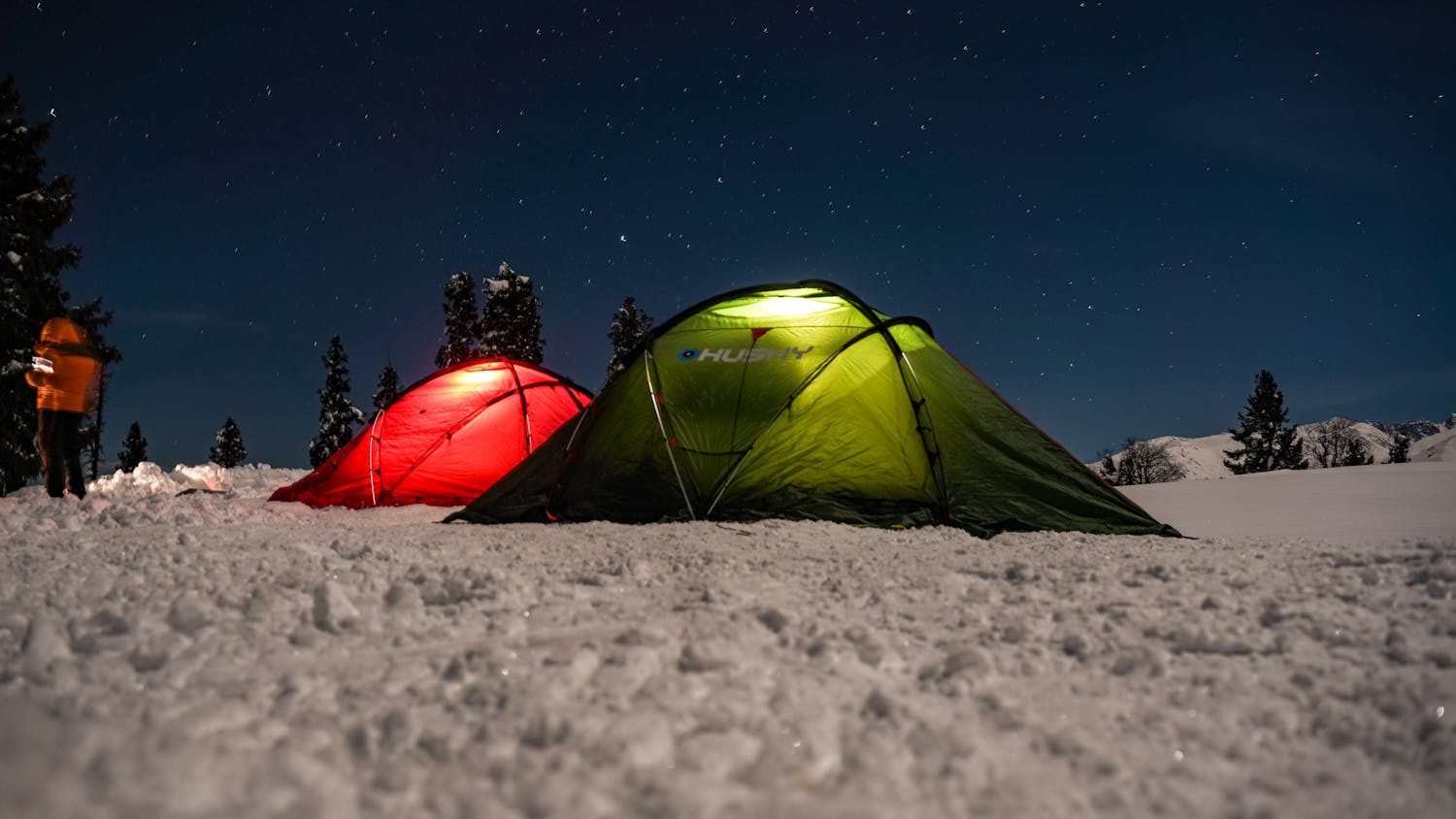
Bonfires, river beaches and Himalayan stars — the perfect overnight, often paired with rafting.
Spending a night under a canopy of Himalayan stars, beside the rushing Ganga, around a crackling bonfire — camping is one of Rishikesh’s most memorable experiences, and it pairs perfectly with a day on the rapids. Most camping happens upstream around Shivpuri, where riverside camps offer everything from simple tents to comfortable “glamping.” This guide explains the types of camps, what is included, the classic rafting-and-camping combo, what an overnight actually involves, costs, the season, and how to camp responsibly.
Quick answer: Camping in Rishikesh centres on riverside camps around Shivpuri, ~16km upstream. Packages are usually all-inclusive of tent, meals (dinner, breakfast), a bonfire and activities, and often bundled with rafting. Expect ₹1,000–₹3,000 per person for a basic overnight, more for premium/glamping. Season: roughly Sept–June (camps close in the monsoon, July–Aug, and riverside camping is regulated/limited near the water). Suitable for couples, friends, families and backpackers. Book ahead on weekends.
Why camp in Rishikesh?
Rishikesh camping is not rough wilderness survival — it is an accessible, sociable escape into nature, an hour from town. The reward is the setting: the upper Ganga valley, with forested hills, white-sand-style river beaches, clean mountain air and skies full of stars far from city light. Add a bonfire, simple hearty food, music and the sound of the river, and you have the classic Rishikesh overnight. It is also the natural partner to adventure — most people camp as part of a rafting trip, turning a half-day thrill into a full overnight adventure.
There is also the practical appeal: it is remarkably easy and affordable. You do not need any of your own gear, no experience, and no long expedition — a camp is barely an hour from town, tents and bedding are provided, and meals are cooked for you. That accessibility is rare. Few places let you go from a city street to a star-filled riverbank, bonfire crackling, in a single afternoon, for the price of a modest hotel night.
And because the camps cluster around the rafting put-ins, camping slots neatly into a wider adventure rather than being a standalone trek. For many visitors it becomes the highlight of their Rishikesh stay — not because it is extreme, but because it is the moment the pace finally drops, the phone loses signal, and the river and the stars take over.
Where camping happens: Shivpuri & beyond
The heartland of Rishikesh camping is Shivpuri, about 16km upstream — also the main rafting launch area, which is why the two go hand in hand. You will also find camps further up the valley toward Byasi and Mohan Chatti. A key point on location:
- Beach camps right on the river sand were once ubiquitous, but riverside camping immediately beside the Ganga is now regulated to protect the river, so many camps sit on terraces or hillsides slightly back from the water.
- Hillside/forest camps offer shade, views and a cooler setting.
- Most are clustered near Shivpuri for easy rafting access and transfers from town.
💡 Tip: If being right by the water matters to you, confirm the camp’s exact location and how close it is to the river before booking — “riverside” is used loosely, and rules now keep many camps set back from the bank.
Types of camps
Basic adventure camps
Simple Swiss-tent or dome-tent setups with shared or basic washrooms, mattresses and sleeping bags, communal meals and a bonfire. Affordable and sociable — the backpacker classic.
Mid-range camps
More comfortable tents with proper beds, attached or cleaner shared bathrooms, and a fuller activity list. The sweet spot for most couples and families.
Luxury / glamping
Spacious furnished tents with real beds, en-suite bathrooms, sometimes electricity and better dining — nature without roughing it. Pairs well with a more comfort-oriented trip; see also luxury resorts.
What is usually included
- Accommodation: tent with mattress/bed and sleeping bag or bedding
- Meals: typically evening dinner, morning breakfast, and often evening snacks/tea
- Bonfire in the evening (subject to conditions/rules)
- Some activities: often a nature walk, beach games (volleyball/cricket), and sometimes a short trek to a waterfall
- Frequently a rafting trip as part of a combo package
Usually extra: transport (sometimes included), bottled drinks, longer rafting stretches, and premium activities. Confirm exactly what your package covers when booking.
Activities you can do at camp
Camps are not just a place to sleep — most build a half-day or more of activities around the overnight, included or for a small extra. Depending on the camp and season you might find:
- Beach games — volleyball, cricket and frisbee on the sand or terrace.
- Short treks & waterfall walks — guided walks to nearby waterfalls or viewpoints; see trekking.
- Rappelling, rock climbing & cliff jumping — many camps run these at nearby spots; see rock climbing.
- Body surfing & river dips in safe shallows.
- Bonfire, music & stargazing — the social core of every camp night.
- Nature walks & birdwatching for a gentler pace.
If specific activities matter to you, confirm they are included and available in your season before booking — water-based activities in particular depend on river conditions.
The classic rafting + camping combo
The single most popular way to camp in Rishikesh is as part of a rafting-and-camping package. The typical shape:
- Day 1 afternoon: transfer to camp near Shivpuri, settle in, beach games or a short walk, then dinner and a bonfire under the stars.
- Evening: music, food and river sounds — the social heart of the trip.
- Day 2 morning: breakfast, then a rafting trip back toward town — finishing the adventure on the rapids.
It turns a one-off thrill into a proper mini-getaway and is excellent value, since transport and gear are shared across both activities. Ideal for groups, couples and backpackers alike.
What an overnight actually involves
A camp evening is relaxed and communal. After checking in you will typically have free time by the river or for beach games, then gather for tea and snacks as the light fades. Dinner is usually a simple, generous buffet — dal, rice, vegetables, sometimes a barbecue — eaten around the bonfire, often with music or a guitar going. Nights are quiet but for the river; tents get cold after dark in cooler months, so the sleeping bag earns its keep. Mornings bring chai, a hearty breakfast and, on a combo trip, the rafting send-off.
💡 Tip: Bring a head-torch and a warm layer even in summer — riverside nights cool down fast, and lighting at basic camps can be minimal once the bonfire dies down.
Cost of camping
- Basic overnight (camp only): ~₹1,000–₹1,800 per person
- Mid-range camp: ~₹1,800–₹3,000 per person
- Luxury / glamping: ₹3,000–₹6,000+ per person
- Rafting + camping combo: ~₹1,800–₹3,500 per person (great value vs booking separately)
Prices depend on comfort level, group size, season and what is bundled in. See our budget guide and rafting cost guide to plan total spend.
When to camp: season & weather
Camping runs roughly September to June, mirroring the rafting season, and closes in the monsoon (July–August) when the river is high and riverside areas are unsafe. Within the season:
- Sept–Nov: ideal — pleasant days, clear skies, comfortable nights.
- Dec–Feb: cold nights (can near freezing by the river) but crisp and starry; pack serious warm layers.
- Mar–Jun: warm and popular; June is hot but nights by the river stay pleasant.
See best time to visit Rishikesh for the full picture.
Comfort & safety: what to know before you go
Camping in Rishikesh is well-organised and low-risk, but knowing a few practical realities makes the night far more comfortable:
- Tents are basic and do not lock — bring only what you need and keep valuables on you or in a secured bag.
- Bathrooms vary — from clean attached washrooms at glamping sites to simple shared facilities at basic camps. Check before booking if this matters.
- Electricity may be limited — charge devices beforehand and bring a power bank; basic camps may run generators only at set times.
- Nights are genuinely cold by the river — the provided sleeping bag plus your own warm layer is the difference between a great night and a shivering one.
- Mobile signal can be patchy in the valley — tell someone your plans and enjoy the disconnection.
- Stay aware near the water — the Ganga is powerful and cold; swim only in safe shallows the camp points out, never alone or after dark.
None of this should put you off — it is part of the adventure — but a head-torch, a power bank, a warm layer and a sensible attitude to the river turn a basic camp into a genuinely brilliant night out.
Camp responsibly: the river & eco note
The Ganga is sacred and ecologically sensitive, and unregulated beach camping in the past caused real pollution problems — which is why riverside camping is now restricted. Be a good guest:
- Choose camps that follow the rules and manage waste properly.
- Carry out your litter — leave no trace on the beaches or in the forest.
- Do not wash with soap or detergent directly in the river.
- Keep bonfires within camp rules and fully extinguished.
- Respect wildlife and quiet hours — you are a visitor in a living landscape.
Responsible tourism keeps these experiences available; the same principles run through India’s wider eco-tourism guidance promoted by Incredible India.
Camping vs a riverside resort
If you love the idea of waking by the Ganga but are unsure about tents, it is worth understanding the trade-off between camping and a riverside resort. They scratch a similar itch — nature, river, fresh air — but feel quite different.
| Camping | Riverside resort | |
|---|---|---|
| Vibe | Social, rustic, adventurous | Comfortable, private, restful |
| Sleep | Tent, sleeping bag, cold nights | Proper room, heating/AC, ensuite |
| Cost | From ~₹1,000pp | From several thousand per room |
| Best with | Rafting, groups, backpackers | Couples, families, comfort seekers |
| Activities | Built-in adventure | Arranged separately, more relaxed |
The honest steer: camp if the experience and the social bonfire are the point, and you do not mind a cold night under canvas; choose a resort if comfort and a good night’s sleep matter more. Some travellers do both — a camping night for the adventure, then a resort night to recover.
Who is camping for?
| Traveller type | Recommendation |
|---|---|
| Backpackers | Basic adventure camp + rafting combo — cheap, social, classic; see our backpacker guide. |
| Couples | Mid-range or glamping for comfort and privacy; bonfire under the stars. |
| Families | Mid-range camp with gentle activities; see our family guide. |
| Groups / friends | Adventure camp + rafting — the social group trip of choice. |
| Comfort seekers | Luxury glamping, or pair a day trip with a riverside resort. |
| Solo travellers | Join a group camp to meet people; see our solo guide. |
How to book camping in Rishikesh
Camping is easy to arrange, but a little care gets you a better camp:
- Book a combo — rafting-and-camping packages are the best value and the most popular way to go.
- Read recent reviews for hygiene, food quality and how the camp handles waste — standards vary widely.
- Confirm the exact location and how far it is from the river and the road.
- Check what is included — meals, transport, activities and whether there is a return transfer.
- Book direct or through your accommodation where possible; agents add commission.
- Reserve ahead for weekends and peak months, when good camps fill quickly.
A camp confident enough to share its exact location, an itemised inclusions list and genuine recent reviews is usually one that runs a clean, well-organised operation.
Common mistakes
- Assuming “riverside” means on the sand — rules now set many camps back; confirm location.
- Underpacking warm layers — nights get cold by the river, even in summer.
- Camping in the monsoon — it is closed for safety; avoid anyone offering it.
- Booking the cheapest camp blind — check reviews for hygiene and how they handle waste.
- Bringing valuables you can’t secure — basic tents do not lock.
- Leaving litter — it harms the river and the experience for everyone.
Local tips you should know
- Book the rafting + camping combo for the best value and the full experience.
- Bring a head-torch, warm layer and flip-flops for around camp.
- Confirm transport — is the transfer from town included, and is there a return?
- Weekends fill fast — book ahead, especially Sept–Nov and spring.
- Carry some cash; camps may not take cards.
- Apply for your tourist e-Visa early; see how to reach Rishikesh and the packing list.
Related adventures & nearby
- River rafting — the classic camping pairing.
- Shivpuri area guide — the adventure base.
- Trekking — add a waterfall walk to your camp.
- Riverside resorts — the comfortable alternative.
- Adventure trip itinerary — combine it all.
Frequently asked questions
Where can you go camping in Rishikesh?
Most camping is around Shivpuri, about 16km upstream, which is also the main rafting area. Camps also extend up the valley toward Byasi and Mohan Chatti, on river terraces and hillsides.
How much does camping cost in Rishikesh?
A basic overnight runs about ₹1,000–₹1,800 per person, mid-range camps ₹1,800–₹3,000, and luxury glamping ₹3,000–₹6,000+. A rafting-and-camping combo is typically ₹1,800–₹3,500 and good value.
What is included in a camping package?
Usually a tent with bedding, dinner and breakfast, an evening bonfire, and some activities like beach games or a short walk. Many packages also include a rafting trip. Transport may or may not be included.
Can I combine camping with rafting?
Yes — it is the most popular option. A typical combo is an afternoon arrival, bonfire dinner and overnight at camp, then a rafting trip back toward town the next morning.
Is camping in Rishikesh safe?
Yes, at reputable camps. Choose a licensed camp with good reviews, secure your valuables (basic tents do not lock), pack warm layers for cold nights, and follow the camp’s safety guidance near the river.
When is the camping season in Rishikesh?
Roughly September to June. Camps close during the monsoon (July–August) when the river is high and riverside areas are unsafe.
Are the camps right on the river beach?
Some are close, but riverside camping immediately beside the Ganga is now regulated to protect the river, so many camps sit on terraces or hillsides set back from the water. Confirm the exact location before booking.
What should I pack for camping?
A warm layer and head-torch (essential, as nights are cold and lighting can be minimal), comfortable shoes and flip-flops, personal toiletries, any medication, and some cash. Most camps provide tents and bedding.
Is camping suitable for families and couples?
Yes. Mid-range and glamping camps suit couples and families well, with comfortable tents and gentle activities. Basic adventure camps are more popular with backpackers and groups.
Do camps provide food, and what kind?
Yes — packages typically include dinner and breakfast, usually a simple, generous vegetarian buffet (dal, rice, vegetables), sometimes with a barbecue. Tell the camp about dietary needs in advance.
How cold does it get camping at night?
In winter (Dec–Feb) riverside nights can approach freezing, so serious warm layers are essential. Even in summer, nights by the river cool down noticeably after dark.
Is camping eco-friendly, and how can I camp responsibly?
Choose camps that follow waste rules, carry out all litter, avoid soap or detergent in the river, keep bonfires controlled, and respect wildlife and quiet hours. Responsible camping keeps these experiences available.
Ready for a night by the Ganga?
Riverside camping is the perfect complement to a Rishikesh adventure — a bonfire, stars and the river, an hour from town. Book a combo, pack a warm layer, and enjoy. These guides will help:
- River rafting — the classic pairing
- Shivpuri area guide — the camping base
- Adventure trip itinerary — plan the whole thing
- Rishikesh for backpackers — do it on a budget