Yoga & Wellness
Ayurveda in Rishikesh
Panchakarma, treatments and consultations — the honest guide to yoga’s sister science.
Yoga gets the headlines, but Rishikesh is also one of the best places in India to experience Ayurveda — the 5,000-year-old system of natural medicine that is yoga’s sister science. Whether you want a single consultation, a few rejuvenating treatments, or a serious multi-week panchakarma detox, you will find it here, often at a fraction of Western wellness-retreat prices. This guide explains what Ayurveda actually is, the main treatments and programmes, what they cost, how to choose a genuine centre, and how to stay safe.
Quick answer: Ayurveda in Rishikesh ranges from one-off treatments and consultations to full panchakarma detox programmes of 7–28 days. A consultation costs around ₹500–₹2,000; individual treatments (abhyanga massage, shirodhara) ₹1,000–₹3,000; residential panchakarma packages run ₹3,000–₹8,000+ per day all-inclusive. It pairs naturally with yoga. Choose a centre with qualified (BAMS) Ayurvedic doctors; the practice is overseen in India by the Ministry of AYUSH. Best months: Sept–Nov and Feb–Apr.
What is Ayurveda?
Ayurveda (“the science of life”) is a traditional Indian system of medicine that treats health as a balance between three doshas — Vata (air/movement), Pitta (fire/metabolism) and Kapha (earth/structure). When your doshas are balanced for your individual constitution (prakriti), you are well; imbalance is seen as the root of illness. Treatment is highly personalised and works through diet, herbs, daily routine, massage, detox and lifestyle rather than one-size-fits-all prescriptions.
It is the natural companion to yoga — the two traditions share the same roots and philosophy, which is why so many Rishikesh schools and retreats offer both. Ayurveda is formally recognised and regulated in India by the government’s Ministry of AYUSH (Ayurveda, Yoga, Unani, Siddha and Homoeopathy), and practitioners train for years to earn the BAMS medical degree.
Why Rishikesh for Ayurveda?
Rishikesh is not the only place in India for Ayurveda — Kerala is famously its heartland — but it has become one of the most accessible and rewarding, especially if you also want yoga. The town’s long wellness tradition means there is a deep pool of qualified practitioners and centres, from simple clinics to full residential panchakarma facilities, often at noticeably lower prices than dedicated luxury retreats elsewhere.
The bigger advantage is integration. Because Ayurveda and yoga share the same philosophical roots, Rishikesh lets you combine them seamlessly — morning yoga, an Ayurvedic diet, and treatments in the same trip, sometimes at the same centre. Add the clean Himalayan air, the calming presence of the Ganga, and an environment already geared toward simple, healthy living, and you have ideal conditions for the kind of gradual rebalancing Ayurveda is designed to produce.
The three doshas, briefly
Almost everything in Ayurveda comes back to the three doshas — the biological energies that govern how your body and mind work. Most people are a blend, with one or two dominant. Knowing yours helps a doctor personalise your diet, treatments and routine.
Vata (air & space)
Governs movement, breath and the nervous system. Vata types tend to be light, quick, creative and energetic, but when imbalanced can feel anxious, restless, dry or depleted. Warmth, routine, grounding foods and calming practices restore balance.
Pitta (fire & water)
Governs metabolism, digestion and transformation. Pitta types are typically focused, driven and warm, but excess can show as irritability, inflammation, heat or burnout. Cooling foods, moderation and rest bring balance.
Kapha (earth & water)
Governs structure, stability and lubrication. Kapha types are usually calm, steady and nurturing, but imbalance can bring heaviness, lethargy or congestion. Stimulation, lighter food and activity help rebalance.
A consultation determines both your natural constitution (prakriti) and your current imbalance (vikriti) — the gap between the two is what treatment addresses.
Ways to experience Ayurveda in Rishikesh
1. A consultation
The starting point. A qualified Ayurvedic doctor assesses your constitution and any imbalances (often via pulse, observation and questions) and recommends diet, lifestyle and treatments. Inexpensive and genuinely useful even on a short trip.
2. Individual treatments
Stand-alone therapies you can book singly, including:
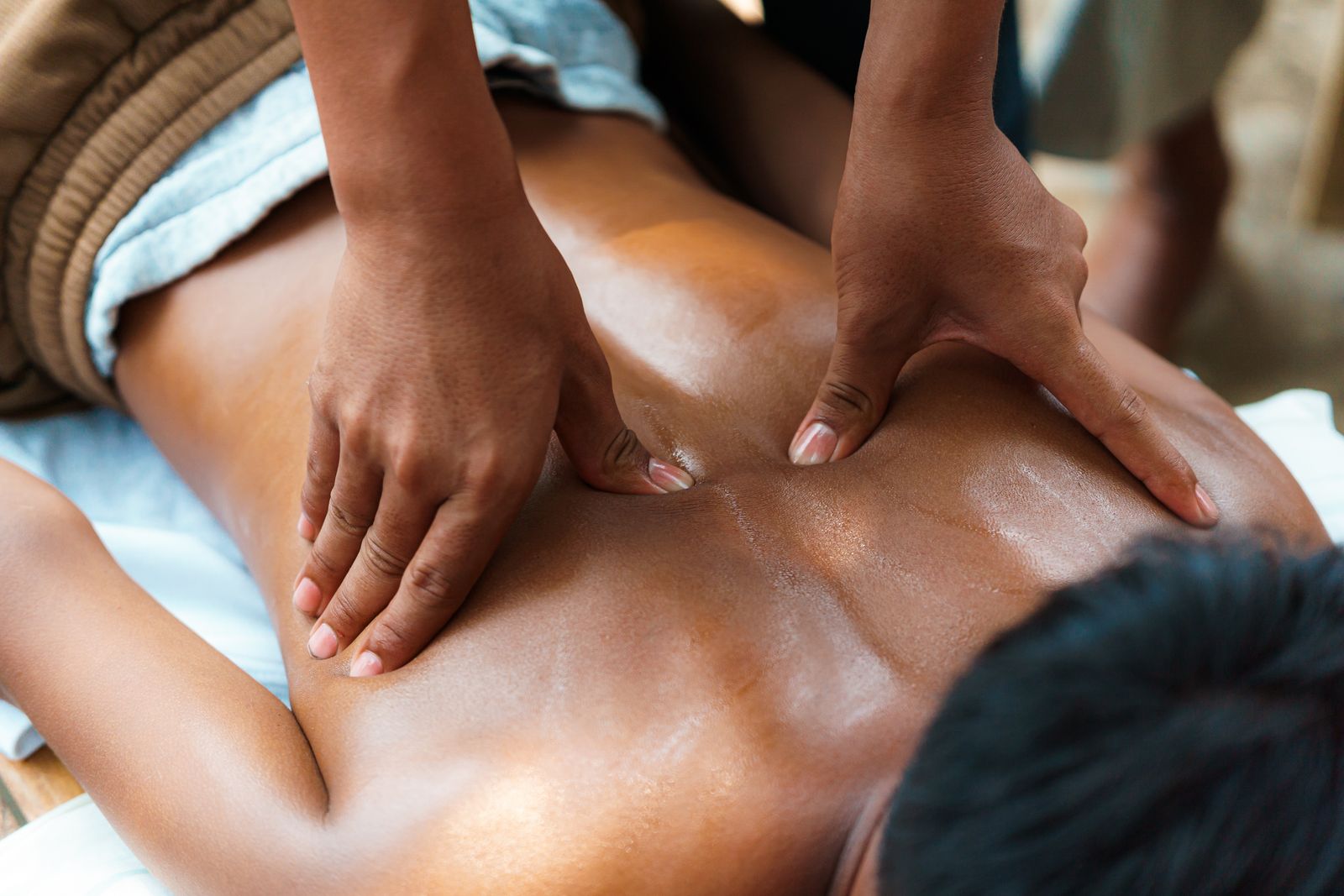
- Abhyanga — warm herbal-oil full-body massage, deeply relaxing.
- Shirodhara — a steady stream of warm oil poured over the forehead; famously calming for the mind.
- Swedana — herbal steam therapy, often after abhyanga.
- Kati basti / netra basti — localised oil treatments for the lower back or eyes.
3. Short wellness packages
Bundles of 3–7 days combining daily treatments, consultations and an Ayurvedic diet — a gentle reset that pairs beautifully with a 7-day yoga retreat.
4. Panchakarma (full detox)
The flagship Ayurvedic cleanse — see its own section below.
Panchakarma: the deep cleanse explained
Panchakarma (“five actions”) is Ayurveda’s intensive detoxification and rejuvenation programme. It is not a spa package — it is a structured, doctor-supervised medical process designed to remove accumulated toxins (ama) and restore dosha balance. A genuine panchakarma typically unfolds in three phases:
- Purvakarma (preparation): the body is prepared with internal and external oleation (medicated ghee/oils) and steam to loosen toxins.
- Pradhanakarma (main therapies): the core cleansing actions — which may include therapeutic purgation, medicated enemas (basti), nasal therapy (nasya) and more, chosen for your constitution.
- Paschatkarma (recovery): a carefully staged return to normal diet and routine, with rejuvenating herbs (rasayana).
Because it is genuinely medical, panchakarma needs time — a meaningful programme runs at least 7 days, with 14–21 days or more recommended for real benefit. It also needs proper supervision.
💡 Tip: Be wary of “3-day panchakarma” offers. True panchakarma cannot be rushed into a long weekend; very short “detox” packages are really relaxation treatments using the name. That is fine — just know what you are actually booking.
What a day on panchakarma looks like
Unlike a yoga retreat’s packed schedule, panchakarma days are deliberately calm — rest is part of the medicine. A typical day:
- Early morning: gentle yoga or a quiet walk, and prescribed herbal preparations.
- Morning: the day’s main therapy — oil massage (abhyanga), steam, shirodhara or a core panchakarma procedure, as prescribed.
- Midday: a freshly prepared, easily digestible Ayurvedic lunch suited to your constitution.
- Afternoon: rest — genuinely the point, not idleness. Light reading, napping or meditation.
- Evening: a doctor check-in, a light early dinner, herbal tea and an early night.
The pace surprises people used to “doing” on holiday. During an intensive cleanse, doing less is the treatment — the therapies work best when the body is rested and undistracted.
Ayurvedic diet & daily routine
Two pillars of Ayurveda you can carry home long after the treatments end are ahara (diet) and dinacharya (daily routine). During any programme you will eat to your constitution — typically warm, freshly cooked, easy-to-digest vegetarian food, with spices chosen to aid digestion and balance your dominant dosha. Raw, cold, processed and leftover foods are usually minimised because they are considered harder to digest.
Alongside diet, you will be encouraged toward a steady daily rhythm: rising early, eating at regular times with the largest meal at midday when digestion is strongest, and winding down early. None of this requires being in Rishikesh — which is exactly why it is valuable. Many people find these simple routines, more than any single treatment, are what keep them feeling better for months after they return home. It also dovetails neatly with eating well around town — see our healthy food guide.
💡 Tip: Ask your doctor to write down the two or three dietary and routine changes most relevant to your constitution. A short, personalised list you will actually follow beats a generic regime you abandon in a week.
What does Ayurveda cost in Rishikesh?
- Consultation: ~₹500–₹2,000
- Single treatment (abhyanga, shirodhara): ~₹1,000–₹3,000 each
- Short wellness package (3–7 days, treatments only): varies widely; ask for an itemised quote
- Residential panchakarma (all-inclusive per day): ~₹3,000–₹8,000+ depending on the centre’s standard
Rishikesh is excellent value compared with Western Ayurvedic retreats, but quality and price vary enormously. A multi-week residential panchakarma at a reputable centre is a significant investment — see our yoga & wellness costs guide to budget the whole trip.
How to choose a genuine Ayurvedic centre
This matters more for Ayurveda than for almost anything else in Rishikesh, because real Ayurveda is medicine — and bad or unqualified practice can do harm. Insist on:
- Qualified doctors: treatments should be overseen by a doctor with a BAMS (Bachelor of Ayurvedic Medicine and Surgery) degree, not just therapists.
- A real consultation first: a genuine centre assesses your constitution before recommending anything — personalisation is the whole point.
- Government recognition: look for centres aligned with AYUSH standards; many quality clinics display registration.
- Hygiene and clean facilities — especially important for internal therapies in panchakarma.
- Transparent programmes: a clear explanation of what each day involves and why.
- Honest timeframes: a centre that tells you panchakarma needs real time, rather than selling a 3-day “detox,” is being straight with you.
How Ayurveda and yoga work together
Ayurveda and yoga are often called sister sciences, and combining them is more than convenient — they genuinely reinforce one another. Yoga works primarily on the body and mind through movement, breath and meditation; Ayurveda works on balance through diet, herbs, routine and detox. Together they cover both the active and the restorative sides of wellbeing.
In practice, an Ayurvedic doctor may even tailor yoga recommendations to your dosha — grounding, slower practice to settle an aggravated Vata; cooling, less competitive practice for excess Pitta; more energetic, stimulating practice to lift heavy Kapha. Many Rishikesh retreats build this integration in, pairing daily yoga with Ayurvedic meals and treatments so the two work as one programme. If you are choosing between them, you do not have to: a combined yoga-and-Ayurveda week is one of the most complete resets the town offers, and a natural extension of a 7-day retreat or a stint of meditation.
Who is Ayurveda for?
| Traveller type | Recommendation |
|---|---|
| Curious first-timer | Start with a consultation plus one or two treatments (abhyanga, shirodhara). |
| Stressed / run-down | A short wellness package alongside gentle yoga — a genuine reset. |
| Serious about detox | A supervised 14–21 day panchakarma at a reputable, doctor-led centre. |
| Yoga retreat guest | Add Ayurvedic treatments to your 7-day retreat for a deeper reset. |
| Specific health concern | Consult a BAMS doctor; treat Ayurveda as complementary, not a replacement for medical care. |
| Solo female traveller | Choose an established centre and request a female therapist; see our solo female guide. |
Common mistakes travellers make
A little awareness avoids the pitfalls that disappoint first-time Ayurveda seekers:
- Booking a “3-day panchakarma.” Real panchakarma needs at least a week, ideally two or more. Short versions are relaxation packages wearing the name.
- Skipping the consultation. Ayurveda is personalised — generic treatments without an assessment miss the entire point.
- Choosing on price or spa-glamour alone. Look for qualified BAMS doctors and clinical standards, not just a pretty massage room.
- Treating it as a quick fix. Ayurveda works gradually through balance and routine; expecting overnight results leads to disappointment.
- Ignoring the diet. The food and daily routine are part of the treatment — undermining them with cafe snacks blunts the benefit.
- Not allowing enough time. Squeezing an intensive cleanse into a packed sightseeing trip works against the rest it requires.
- Hiding medications or conditions. Always disclose them; some herbs and therapies interact or are unsuitable in certain situations.
Safety & sensible expectations
- Ayurveda complements, it does not replace, modern medicine. Do not stop prescribed treatment for a serious condition; tell your Ayurvedic doctor what you already take.
- Disclose medications and conditions — some herbs and therapies interact or are unsuitable in pregnancy or with certain illnesses.
- Choose qualified practitioners — internal panchakarma therapies in particular must be done properly and hygienically.
- Request a female therapist for massage if you prefer; reputable centres accommodate this.
- Manage expectations — Ayurveda works gradually through balance and routine, not overnight miracles.
💡 Tip: A detox can stir up tiredness or mild symptoms in the first days as the body adjusts — normal under supervision, but always report anything that worries you to the centre’s doctor.
Local tips you should know
- Pair Ayurveda with a yoga programme — the two reinforce each other beautifully.
- Allow enough time — a real panchakarma needs at least two weeks, so plan your tourist e-Visa and stay accordingly.
- Many quality centres are in quieter spots toward Ram Jhula and upriver, away from the busiest streets.
- Follow the dietary guidance — the food is part of the treatment, not a side dish.
- Stay hydrated and rest; do not over-schedule sightseeing during an intensive programme.
- See how to reach Rishikesh and the packing list to plan logistics.
Related guides & nearby
- Meditation retreats — deepen the inner reset.
- 7-day yoga retreats — pair with Ayurvedic treatments.
- Yoga & wellness costs — budget your programme.
- Healthy food in Rishikesh — eat in line with your treatment.
- Rishikesh for yoga travellers — the full planning hub.
Frequently asked questions
What is Ayurveda?
Ayurveda is a 5,000-year-old Indian system of natural medicine that treats health as a balance of three doshas (Vata, Pitta, Kapha) through personalised diet, herbs, lifestyle, massage and detox. It is yoga’s sister science.
What is panchakarma?
Panchakarma is Ayurveda’s intensive, doctor-supervised detox and rejuvenation programme. It uses preparation (oleation and steam), core cleansing therapies, and a staged recovery to remove toxins and restore dosha balance.
How long does panchakarma take?
A genuine panchakarma needs at least 7 days, with 14–21 days or more recommended for real benefit. Be cautious of very short “3-day panchakarma” offers — these are usually relaxation treatments, not true panchakarma.
How much does Ayurveda cost in Rishikesh?
A consultation is around ₹500–₹2,000; single treatments ₹1,000–₹3,000; and residential panchakarma packages roughly ₹3,000–₹8,000+ per day all-inclusive, depending on the centre.
What are the most popular Ayurvedic treatments?
Abhyanga (warm herbal-oil massage), shirodhara (warm oil poured over the forehead), swedana (herbal steam), and localised oil therapies like kati basti. Many can be booked individually.
Is Ayurveda safe?
When practised by qualified BAMS doctors at a reputable centre, yes. Always disclose your medications and conditions, do not stop prescribed medical treatment, and treat Ayurveda as complementary to modern medicine.
How do I choose a good Ayurvedic centre?
Insist on qualified BAMS doctors, a proper consultation before treatment, government (AYUSH) recognition, clean facilities, and honest timeframes. Avoid centres that promise instant results or rush panchakarma.
Can I combine Ayurveda with yoga?
Yes — they are sister sciences and pair perfectly. Many Rishikesh retreats offer both, and adding Ayurvedic treatments to a yoga retreat creates a deeper reset.
Do I need a consultation first?
For anything beyond a single relaxing massage, yes. A consultation lets the doctor assess your constitution and personalise treatment, which is the whole basis of Ayurveda.
When is the best time for Ayurveda in Rishikesh?
September to November and February to April are most comfortable. Traditional texts favour certain seasons for panchakarma, so ask the centre’s doctor about timing for your programme.
Is Ayurveda regulated in India?
Yes. Ayurveda is recognised and regulated by the government’s Ministry of AYUSH, and practitioners earn a BAMS medical degree through years of formal training.
Can Ayurveda cure my medical condition?
Ayurveda can support wellbeing and help manage many conditions, but it should complement rather than replace modern medical care. For any serious condition, consult both your doctor and a qualified Ayurvedic physician.
Ready to try Ayurveda?
Start with a consultation, choose a doctor-led centre, and give a real detox the time it needs. These guides will help you plan:
- 7-day yoga retreats — pair with treatments
- Meditation retreats — deepen the reset
- Yoga & wellness costs — budget your stay
- Rishikesh for yoga travellers — plan the whole trip