Adventure
Best Time for Rafting in Rishikesh
Month by month — when to go for the biggest rapids, the gentlest ride or the best weather.
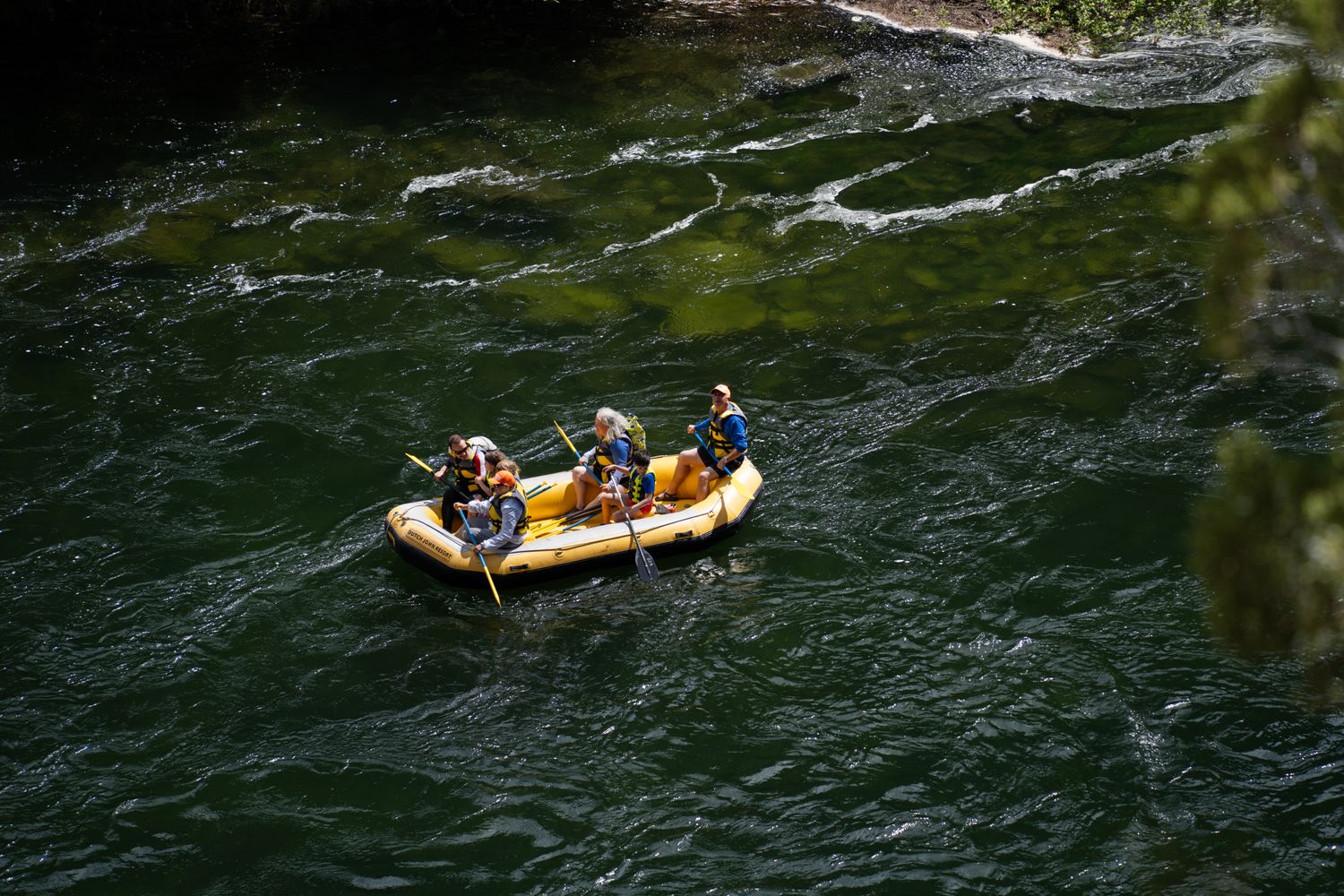
“When should I go rafting in Rishikesh?” is one of the most common trip-planning questions — and the answer matters more than people expect, because the same stretch of the Ganga delivers a completely different experience in October versus March, and is closed entirely in the summer monsoon. This guide breaks down the rafting season month by month, explains how water levels change the rapids, and helps you pick the perfect time for the experience you want — whether that is the biggest waves, the gentlest ride, or the best weather. For the full activity overview, see our river rafting guide.
Quick answer: The rafting season in Rishikesh runs roughly mid-September to the end of June, and is closed during the monsoon (July–August) when the swollen river is unsafe. The best overall months are September–November and March–June — reliable conditions and pleasant weather. For the biggest rapids, go in the higher-water shoulders (post-monsoon Sept–Oct and pre-monsoon May–Jun); for the gentlest, warmest ride choose spring; winter (Dec–Feb) is open, scenic and quiet but the water is cold.
The short version: there is no single “best” month that suits everyone, because the ideal time depends on what you are after. A thrill-seeker chasing the biggest waves, a nervous first-timer wanting a gentle introduction, and a family prioritising warm, comfortable conditions should each pick a different window — and all of them can have a great day on the river if they time it right. This guide gives you the full picture so you can match the season to your own appetite, rather than just turning up and hoping the river cooperates.
The rafting season at a glance
| Period | Status | Conditions |
|---|---|---|
| Sept–Nov | Open — prime | Clean water, good flow, pleasant weather; excellent all round |
| Dec–Feb | Open — cold | Scenic & quiet, but chilly water and air; wetsuit helps |
| Mar–Jun | Open — popular | Warm, lively rapids; busiest; June hot |
| Jul–Aug | Closed | Monsoon — river too high & silty; rafting suspended |
Why Rishikesh has such a long rafting season
Compared with many whitewater destinations that have a short window, Rishikesh enjoys a remarkably long rafting season — around nine months of the year. The reason is the nature of the upper Ganga: it is fed both by Himalayan snow-melt and by rainfall, which keeps a runnable, reliable flow through autumn, winter and spring. Only the monsoon’s extreme surge forces a closure. That long window is a big part of why Rishikesh became India’s rafting capital — there is almost always a good time to come.
It also means you have genuine flexibility. Unlike destinations where you must hit a tight seasonal window, you can plan a Rishikesh trip around your own schedule across three-quarters of the year and still get excellent rafting — simply tuning the experience by choosing the right month and stretch for the conditions you want. That flexibility is a gift for trip-planners, but it is also why understanding the seasonal differences matters: “open” does not mean “identical,” and the smart traveller picks the window that matches their appetite.
Why the monsoon closes rafting
From roughly July to August, monsoon rains pour into the Ganga’s catchment, and the river rises dramatically — faster, higher, colder and thick with silt. Rapids that are thrilling-but-safe in season become genuinely dangerous, and the authorities officially suspend commercial rafting for safety. This is non-negotiable: if anyone offers you a monsoon rafting trip, walk away. The closure is also why the season has two “shoulders” — the weeks just before (May–June) and just after (September) the monsoon, when snow-melt and residual rain keep water levels higher and the rapids at their punchiest.
💡 Tip: Exact opening and closing dates shift year to year with the monsoon — the season typically reopens around mid-September once the river settles. If you are travelling at the edges of the season, confirm with operators before booking.
The shoulder weeks: high water & smaller crowds
Some of the best rafting of the year happens in the narrow “shoulder” windows that bracket the monsoon — roughly September just after the river reopens, and late May into June just before it closes. In both, snow-melt and residual rain keep water levels high, so the rapids are at their biggest and most exhilarating, while the tourist crowds are thinner than the October-November and spring peaks.
The trade-offs are real but manageable: early September can have strong, pushy flows better suited to confident rafters, and May-June is hot out of the water (though the cool river is a relief). For experienced or adventurous rafters chasing the biggest waves with fewer rafts around, these shoulder weeks are arguably the connoisseur’s choice — just confirm the season is open at the very edges, as dates shift each year with the monsoon.
How water level changes the rapids
This is the key insight most visitors miss: the rapids are not the same all season. The Ganga is a snow- and rain-fed river, so the volume of water flowing changes through the year, and water volume dramatically changes how a rapid feels:
- Higher water (post-monsoon Sept–Oct, pre-monsoon May–Jun) — bigger, more powerful waves; the most thrilling rafting, with rapids at the upper end of their grade.
- Lower water (deep winter, late season) — gentler, more technical; rapids feel a touch tamer, better for the nervous.
- Mid-range (much of the open season) — the reliable sweet spot: exciting but accessible Class III.
So a Class III rapid in October can feel noticeably bigger than the same rapid in February. The international grade describes the rapid’s character; the water level on the day sets its intensity — see the international grading and safety standards for how grades work. Always ask your operator what the river is doing on your date.
Month-by-month guide
September — the season reopens
As the monsoon eases (usually mid-month), rafting reopens to high, lively water and lush green surroundings. Big rapids for the thrill-seekers, though early-September flows can still be strong — great for confident rafters.
October – November — peak conditions
Arguably the best window: clean post-monsoon water, settling to a perfect level, with pleasant, clear weather. Ideal for everyone from first-timers to thrill-seekers. Popular, so book ahead.
December – February — cold but beautiful
Rafting continues through winter on lower, gentler water under crisp blue skies. The catch is the cold: the snow-fed water is genuinely chilly and a splash is bracing. Fewer crowds, stunning clarity; a wetsuit (sometimes provided) makes it far more comfortable.
March – April — warm & ideal
Warming weather, comfortable water and lively rapids make spring one of the most popular times to raft. Excellent all-round conditions; expect company on the river.
May – June — hot & punchy
Pre-monsoon snow-melt lifts water levels, bringing some of the biggest rapids of the year — thrilling stuff. It is hot out of the water, which makes the cool river a welcome relief. The season winds down toward late June as the monsoon approaches.
Best time by what you want
| You want… | Go in… |
|---|---|
| Biggest, most thrilling rapids | Sept–Oct or May–Jun (higher water) |
| Best all-round conditions | Oct–Nov |
| Gentlest ride / nervous first-timer | Winter or late season (lower water); choose the 9km stretch |
| Warmest water & weather | Mar–Jun |
| Fewest crowds | Dec–Feb |
| To combine with comfortable sightseeing | Oct–Nov or Mar–Apr |
Remember you can also tune intensity by stretch, not just season — the gentle 9km, the popular 16km or the big 26km. See our rafting guide for the stretches and our rafting cost guide for prices.
Crowds, weekends & holidays
When you go affects not just the rapids but how busy the river is — and Rishikesh rafting can get genuinely crowded at peak times. The river sees the most traffic on weekends (especially from nearby Delhi and Dehradun day-trippers), during Indian public holidays and long weekends, and across the peak tourist months of October-November and the spring. On the busiest days, you may share the rapids with dozens of rafts and queue at the launch and take-out points.
If a quieter river matters to you, aim for weekdays and the calmer fringes of the season — early December or the quieter pockets of the open months. Winter in particular offers near-solitude on the water, the trade-off being the cold. Conversely, if you enjoy the buzz and the social energy, the busy weekends have their own fun atmosphere. Either way, booking ahead is wise in peak periods, when good operators and morning slots fill quickly.
💡 Tip: A weekday morning in the shoulder season is the sweet spot — good water, comfortable weather, and far fewer rafts than a peak-season weekend.
Weather vs water: do not confuse them
A common planning mistake is choosing rafting dates purely on weather. The two are linked but separate: weather affects your comfort in and out of the boat; water level affects the rapids themselves. Winter has lovely clear weather but cold water and gentler rapids; the pre-monsoon has hot weather but big, exciting flows. Decide which matters more to you. For the broader climate picture see our Rishikesh weather guide and India’s Meteorological Department forecasts, and the overall best time to visit Rishikesh.
Fitting rafting around the rest of your trip
Rafting season overlaps neatly with the best time to visit Rishikesh generally, so you rarely have to choose between a good rafting window and good weather for everything else — but a little coordination helps:
- Yoga or wellness focus? Oct-Nov and Mar-Apr give you comfortable weather for both rafting and daily practice; see yoga in Rishikesh.
- Adventure-packed trip? The open rafting season is also prime time for camping, bungee and trekking — stack them with our adventure itinerary.
- Spiritual or sightseeing trip? Autumn and spring suit the Ganga Aarti, temples and walking, with rafting as an easy add-on.
- Avoiding the monsoon for rafting? If you can only travel in July-August, plan a non-rafting trip — the green season is lovely for ashrams and yoga, just not the river.
In short, build your trip around the open rafting season (Sept-Jun) and you can have the river and everything else Rishikesh offers at their best. Our best time to visit guide ties it all together.
Practical timing tips
- Raft in the morning — calmer wind, better light, and you beat the day’s crowds and heat.
- Book ahead in peak months (Oct–Nov, Mar–Apr) when slots fill, especially weekends.
- At the season edges (Sept, late June), confirm the river is open before travelling.
- In winter, bring or request a wetsuit and dry clothes for afterwards.
- Avoid weekends and Indian holidays if you want a quieter river.
- Pair the season with the right stretch for your nerve — gentle 9km in higher water, or the 26km when you want maximum thrill.
When to book your rafting trip
Timing your booking is almost as useful as timing your trip. A few practical pointers:
In the peak months (October-November and March-April) and on weekends and holidays, book a day or two ahead — popular operators and prized morning slots sell out, and turning up hoping for a same-day spot can mean a long wait or a less reputable operator. In the quieter periods (winter weekdays, the shoulder weeks), you can often book same-day or even negotiate a better rate in person at the operator desks in Tapovan or near Shivpuri.
Wherever you book, prioritise a licensed, reputable operator over the cheapest street offer — the season and water level set the thrill, but the operator sets your safety. Our rafting guide covers how to choose well, and the cost guide explains seasonal pricing so you know a fair rate when you see one.
Common mistakes
- Planning to raft in July–August — it is closed; build your trip around the open season.
- Assuming the rapids are identical all year — water level changes everything.
- Choosing winter without expecting cold water — it is scenic but chilly; prepare.
- Booking the 26km in high water as a nervous beginner — match season and stretch to your level.
- Not confirming season dates at the edges — they shift with the monsoon.
- Ignoring the time of day — mornings are best.
Related guides & nearby
- River rafting guide — stretches, safety & what to expect.
- Rafting cost — prices by stretch & season.
- Rafting vs kayaking — which suits you.
- Best time to visit Rishikesh — the wider seasonal picture.
- Camping — pair rafting with a night out.
Frequently asked questions
When is the best time for rafting in Rishikesh?
The best overall months are September to November and March to June — reliable conditions and pleasant weather. October-November offers the best all-round conditions, while the higher-water shoulders (Sept-Oct and May-Jun) bring the biggest rapids.
When is rafting season in Rishikesh?
Roughly mid-September to the end of June. Rafting is closed during the monsoon (July-August) when the river is too high and silty to be safe.
Can you raft in Rishikesh during the monsoon?
No. Commercial rafting is officially suspended in July and August because monsoon rains make the Ganga dangerously high, fast and silty. Avoid any operator offering trips during this period.
What month has the biggest rapids?
The higher-water periods just after and before the monsoon — September to October and May to June — bring the biggest, most powerful rapids, as snow-melt and residual rain raise water levels.
Is rafting open in winter?
Yes. Rafting runs through December to February on lower, gentler water under clear skies, with fewer crowds. The main drawback is cold water, so a wetsuit and dry clothes are recommended.
Does the water level really change the rapids?
Yes — significantly. The Ganga is snow- and rain-fed, so water volume changes through the year. Higher water makes rapids bigger and more powerful; lower water makes them gentler. The same Class III rapid feels bigger in October than in February.
What is the best time for a nervous first-timer to raft?
Lower-water periods (winter or late season) make the rapids gentler. Combine that with the easy 9km stretch for the calmest experience. For warm water too, spring on the 9km is ideal.
Is it better to raft in the morning or afternoon?
Mornings are generally better — calmer wind, better light, fewer crowds and cooler conditions in warmer months. Book an early slot in peak season.
How warm is the water for rafting?
The Ganga is snow-fed and cool to cold year-round. It is most comfortable in spring and early summer (March-June). In winter it is genuinely chilly, so a wetsuit helps a lot.
Do rafting prices change by season?
Yes, somewhat — peak months can be busier and pricier, while quieter periods may offer better rates. See our rafting cost guide for the full breakdown.
When exactly does the rafting season start and end?
It typically reopens around mid-September after the monsoon and runs to late June, but exact dates shift each year with the monsoon. Confirm with operators if travelling at the season edges.
What should I wear rafting in different seasons?
Quick-dry clothes or swimwear and secure footwear year-round. In winter, add or request a wetsuit and bring warm dry clothes for afterwards. Always pack sunscreen.
Plan your rafting trip
Pick the season that matches the rafting you want, match it with the right stretch, book a morning slot, and you are set. These guides will help:
- River rafting guide — stretches & what to expect
- Rafting cost — prices & savings
- Best time to visit Rishikesh — the wider picture
- Camping — make it an overnight adventure